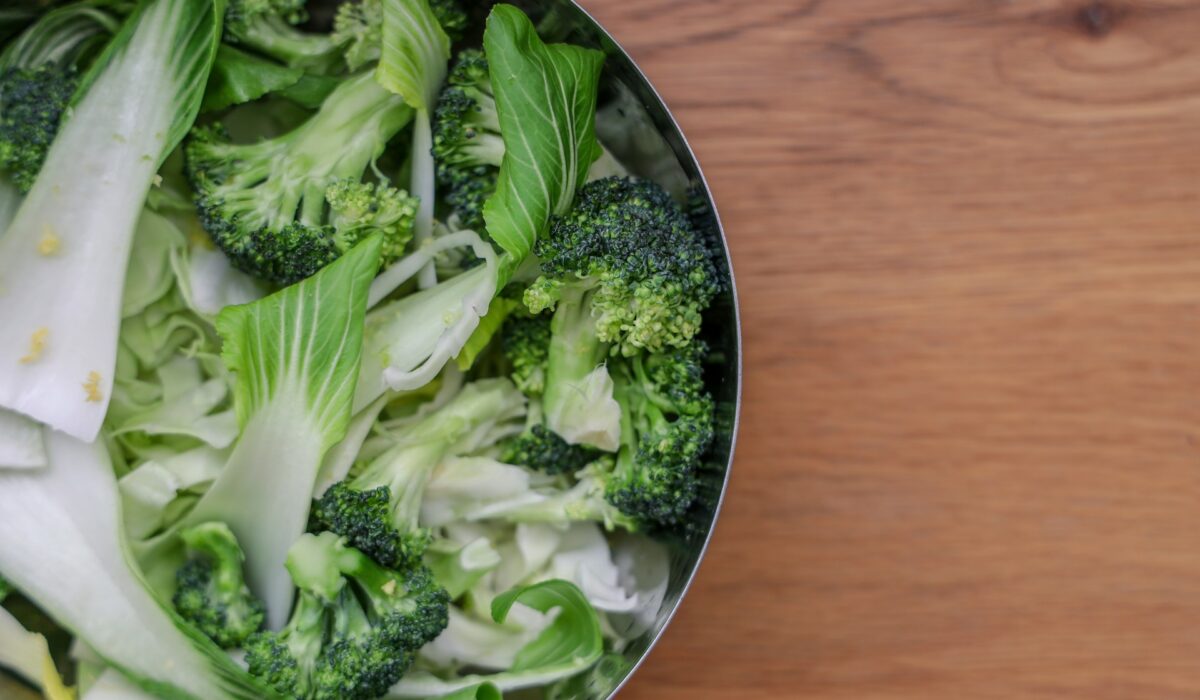
Bok choy is one of those vegetables that rarely gets the spotlight, yet it has a way of making almost any meal feel fresher. Its crisp white stalks stay pleasantly crunchy, the leafy tops soften in minutes, and its mild flavor happily soaks up everything from garlic and ginger to rich broths and savory sauces. That’s exactly why there are so many delicious dishes to make with bok choy, whether you’re after a quick weeknight dinner, a comforting bowl of soup, or a simple vegetable side.
The best part is that bok choy doesn’t ask for much. A few minutes over high heat, a splash of sauce, or a gentle simmer is often all it takes to turn this humble green into one of the most satisfying parts of the meal. Once you discover how versatile it is, you’ll find yourself reaching for it far more often than you expected.
Why Bok Choy Works in So Many Dishes
Few vegetables are as adaptable as bok choy. Unlike greens that become limp or lose their flavor quickly, bok choy offers two textures in one vegetable. The thick stems stay crisp with minimal cooking, while the leaves wilt into a tender, silky finish.
Its mild flavor is another advantage. Rather than overpowering a dish, bok choy acts like a blank canvas that absorbs whatever you pair it with. Garlic, ginger, sesame oil, soy sauce, miso, chili crisp, oyster sauce, citrus, and fresh herbs all complement it beautifully.
It also cooks remarkably fast. Baby bok choy may only need two or three minutes, while larger heads rarely require more than five or six. That makes it an excellent choice for busy evenings when dinner needs to come together quickly.
Stir-Fries: The Dish Most People Think Of First
It’s no surprise that stir-fries are among the most popular dishes to make with bok choy. High heat keeps the stems crisp while allowing the leaves to soften just enough to absorb flavorful sauces.
Chicken and bok choy are a natural pairing because the vegetable balances richer sauces without making the meal feel heavy. Beef works equally well, especially when combined with garlic, ginger, and black pepper for a savory finish.
Seafood lovers often pair bok choy with shrimp or scallops since its delicate flavor doesn’t compete with the sweetness of shellfish. For meat-free meals, tofu and mushrooms create a satisfying combination, with bok choy adding freshness and texture that prevent the dish from feeling one-dimensional.
A simple stir-fry doesn’t need a long list of ingredients. Often, a hot pan, a little oil, aromatics, and a flavorful sauce are all that’s required.
Soups and Noodle Bowls That Benefit From Bok Choy
Bok choy feels equally at home in a steaming bowl of soup. Its stems retain a pleasant bite, while the leaves soften into the broth without disappearing completely.
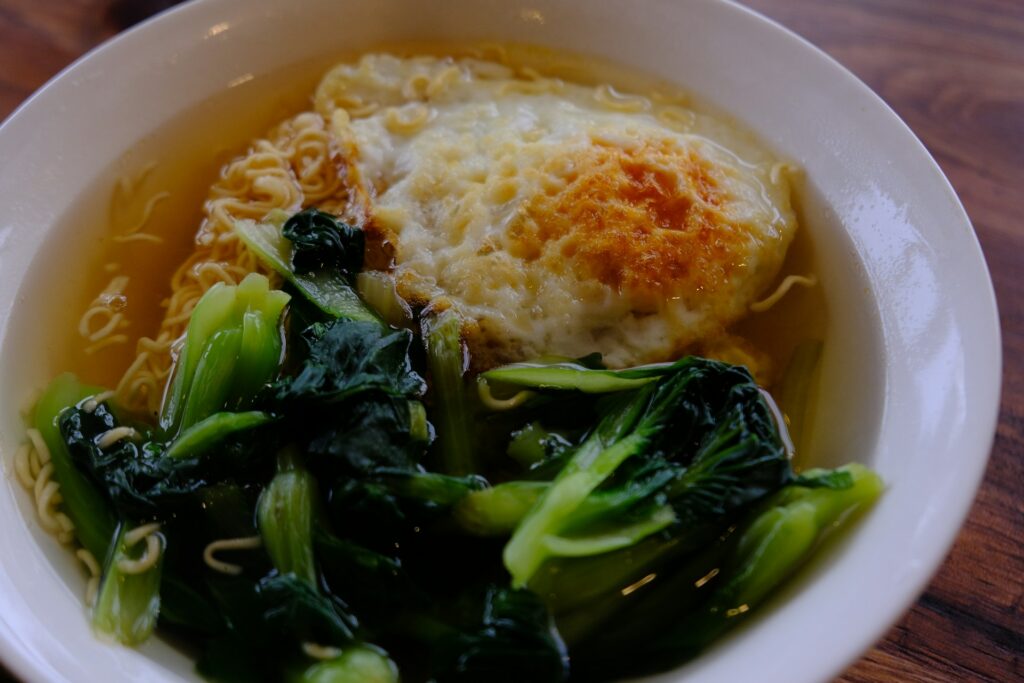
It’s commonly added to ramen, wonton soup, vegetable soup, chicken noodle soup, and hot pot. It also works beautifully in noodle bowls with udon, soba, or rice noodles.
The key is timing. Adding bok choy during the final few minutes of cooking helps preserve its color and texture. If it simmers for too long, the stems lose their crunch and the leaves become overly soft.
Cooking Bok Choy as a Side Dish
Cooking bok choy as a side dish is one of the easiest ways to enjoy this versatile vegetable. It requires very little preparation and pairs with everything from grilled meats to baked fish and rice dishes.
Steaming preserves its natural sweetness and crisp texture, making it an excellent companion to roasted chicken or salmon. If you’re after something richer, sautéing bok choy with garlic and a touch of butter creates a simple side that comes together in minutes.
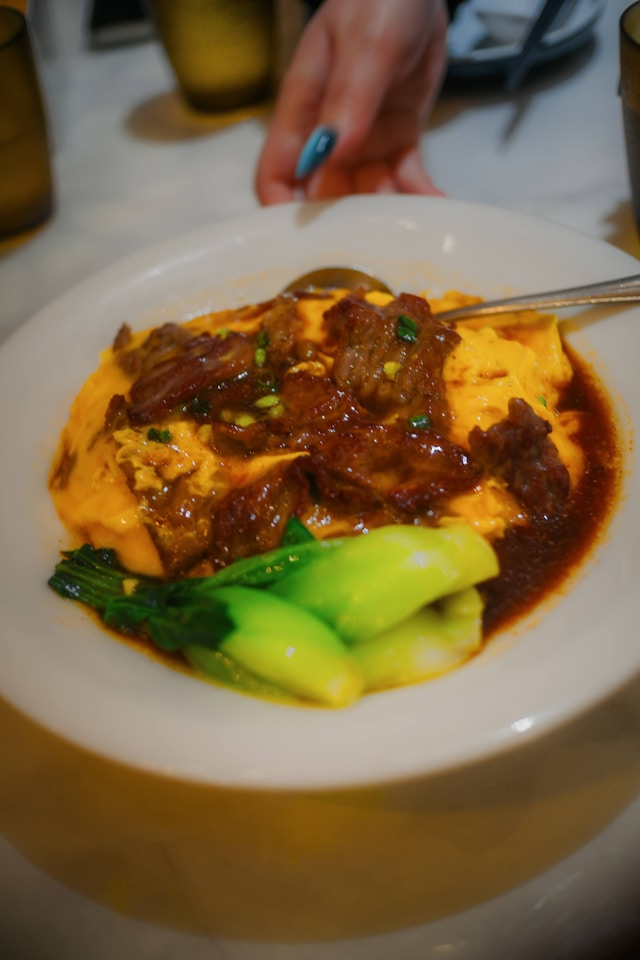
Sesame oil and soy sauce add an unmistakably Asian-inspired flavor, while roasting brings out subtle caramelized notes that many people don’t expect from such a delicate vegetable. Even grilling bok choy, brushed lightly with oil, creates lightly charred edges that add another layer of flavor.
The beauty of bok choy is that it doesn’t compete with the main course. Instead, it complements it with freshness and just enough crunch.
Grain Bowls and Rice Dishes
Bok choy isn’t limited to Asian-inspired meals. It fits naturally into grain bowls where its crisp stems contrast beautifully with softer ingredients.
Brown rice, quinoa, barley, and farro all provide hearty bases that allow bok choy to shine. Add roasted vegetables, grilled chicken, tofu, or chickpeas, and you have a balanced meal that’s both colorful and satisfying.
It also works well in fried rice, adding freshness that balances richer ingredients like eggs, mushrooms, and sesame oil. Even bibimbap-inspired bowls benefit from lightly sautéed bok choy because it contributes texture without overwhelming the other toppings.
Can Bok Choy Replace Other Greens?
In many recipes, yes.
Bok choy can often replace spinach, Swiss chard, or napa cabbage depending on the dish. It holds its shape better than spinach, making it ideal for soups and stir-fries where you want vegetables that don’t completely wilt.
Swiss chard offers a similar balance of stems and leaves but has a stronger earthy flavor. Kale is considerably tougher and usually requires longer cooking, while napa cabbage becomes much softer and sweeter.
Understanding these differences helps you choose the right substitute rather than expecting every leafy green to behave the same way.
Flavors That Pair Beautifully With Bok Choy
One reason bok choy appears in so many recipes is its ability to work with both bold and delicate flavors.
Some of its best companions include:
- Garlic
- Fresh ginger
- Soy sauce
- Sesame oil
- Oyster sauce
- Chili crisp
- Mushrooms
- Citrus
- Peanuts
- Cashews
- Scallions
These ingredients don’t simply season bok choy—they highlight its naturally mild flavor while adding layers of sweetness, saltiness, heat, or acidity.
If you’re experimenting in the kitchen, starting with just two or three of these ingredients often produces surprisingly flavorful results.
Common Mistakes That Leave Bok Choy Watery
Bok choy is forgiving, but a few small mistakes can affect the final dish.
The most common is overcrowding the pan. Too many vegetables lower the temperature, causing bok choy to steam rather than sear.
Another mistake is cooking the stems and leaves for the same amount of time. Since the stems take longer to soften, many people separate them and add the leaves a minute or two later.
It’s also worth drying bok choy thoroughly after washing. Excess water creates steam and prevents proper browning, particularly in stir-fries.
Finally, resist the temptation to overcook it. Bok choy is at its best when the stems still have a slight crunch and the leaves remain bright green.
From hearty noodle bowls to light vegetable sides, there are countless dishes to make with bok choy that showcase its versatility. Its crisp texture, mild flavor, and quick cooking time make it one of the easiest vegetables to incorporate into everyday meals without much planning.
Whether you’re preparing a quick stir-fry, simmering a comforting soup, or simply cooking bok choy as a side dish, a few simple ingredients are often all you need. Once it becomes part of your regular rotation, you’ll discover that this humble leafy green can elevate everything from weeknight dinners to weekend barbecues.