Constipation affects roughly one in ten adults worldwide, and the standard advice — “eat more fibre, drink more water” — is so vague it’s almost useless. So, today we’re going to get specific and highlight the exact fiber filled foods for constipation you should be eating on a regular.
A new 2025 guidelines from the British Dietetic Association, built on over 75 clinical trials, just made some very specific recommendations that most people haven’t heard yet. Spoiler: kiwifruit is having a spotlight moment.
First, Why Fibre In Your Diet Matters
Fibre works in two very different ways depending on the type, and understanding this helps you choose the right foods.
Soluble fibre dissolves in water and forms a gel-like substance in your gut. This gel softens stool and makes it easier to pass — think of it as a natural lubricant. You’ll find it in oats, beans, apples, and bananas.
Insoluble fibre doesn’t dissolve at all. It adds bulk and acts like a broom, pushing waste through the colon faster. This is the roughage in wheat bran, leafy greens, nuts, and the skins of fruits and vegetables.
Most plant foods contain both types, which is why eating a varied, wholefood diet consistently outperforms taking a single fibre supplement. The average adult gets around 15–16 grams of fibre per day. The recommended amount is 25–38 grams depending on age and sex. That gap is significant — and it’s likely sitting right at the root of the problem.
One more thing worth knowing: fibre needs water to do its job. If you increase fibre without increasing fluids, you can actually make constipation worse. More on that at the end.
The Best Fibre Filled Foods For Constipation
Prunes
Prunes are the most well-studied food for constipation relief, and they earn that reputation. They contain sorbitol — a natural sugar alcohol that draws water into the colon and gets things moving — along with both soluble and insoluble fibre. The new BDA guidelines recommend 8–10 prunes a day for chronic constipation, which sounds like a lot until you realise you can mix them into oatmeal, blend them into a smoothie, or just eat them as a snack.
If plain prunes aren’t your thing, prune juice works too. It’s one of the few fruit juices that actually does something useful for digestion rather than just being liquid sugar.
Kiwifruit — The Surprising Frontrunner
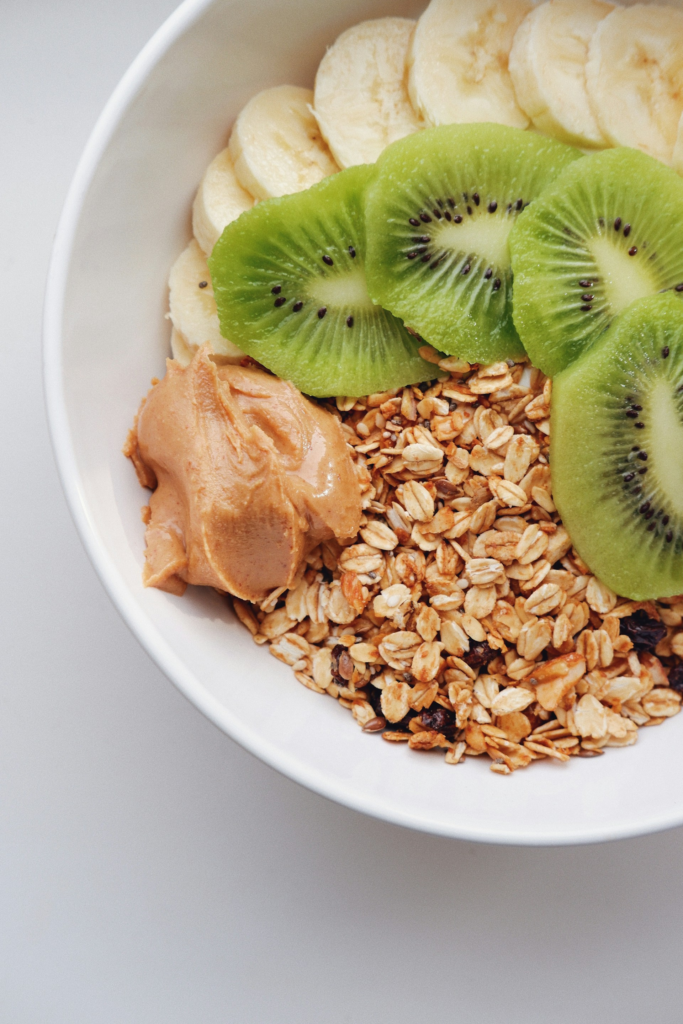
This one is genuinely new information. According to the 2025 BDA guidelines, 2–3 kiwifruits per day is now one of the top preventative measures for constipation — and kiwifruit was found to cause fewer side effects than prunes or psyllium supplements while still effectively increasing stool frequency.
Why? Two reasons. Kiwifruit contains actinidin, an enzyme that aids protein digestion and speeds up gut motility. It also has a specific type of fibre that increases water content in the gut, which softens stool. Green kiwifruit works best, and you can eat the skin too — it has extra fibre and most people can barely taste it once blended into a smoothie.
Oats — Slow and Steady
A bowl of oats in the morning is one of the most reliable ways to build consistent digestive health. Oats are rich in beta-glucan, a soluble fibre that forms a thick gel in the gut, feeds beneficial gut bacteria, and regulates how quickly food moves through the digestive tract.
They’re not a quick fix, but eaten consistently they make a real difference. The key is choosing rolled or steel-cut oats rather than instant sachets, which are often heavily processed and lower in effective fibre.
Beans and Lentils Are Some of The Best Fiber Filled Foods Which Prevent Constipation
A single cup of cooked lentils contains around 15 grams of fibre — more than half the recommended daily intake in one ingredient. Beans and lentils contain resistant starch alongside both types of fibre, which feeds good gut bacteria and keeps the colon moving efficiently.
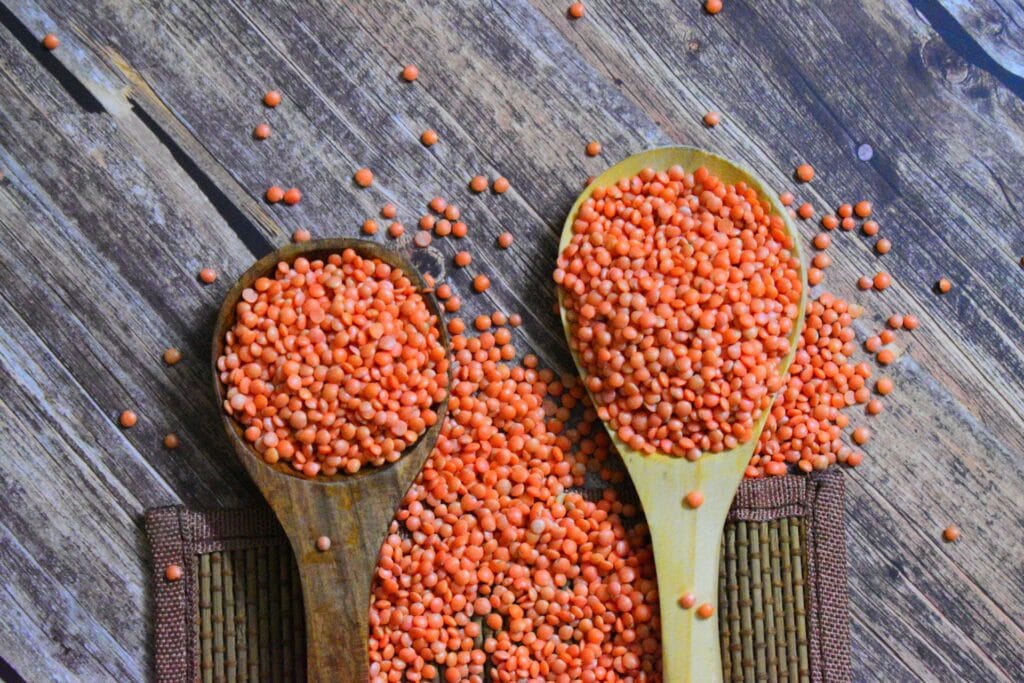
The hesitation most people have is bloating when they first introduce legumes. This is real, but temporary — your gut bacteria adjust within a few weeks. Start with smaller portions (a few tablespoons in soups or stews) and increase gradually. Your digestive system will thank you for it.
Flaxseeds — Rich But Underutilized Fibre Filled Foods For Constipation
Two tablespoons of ground flaxseeds deliver around 4 grams of fibre plus a significant dose of omega-3 fatty acids, which help reduce gut inflammation. Flaxseeds contain a particularly effective type of soluble fibre that forms a gel in the intestines and softens stool.
The important word here is ground — whole flaxseeds pass through largely undigested. Buy ground flaxseed or grind them yourself, and stir into yogurt, porridge, or a smoothie. Store in the fridge once opened as they go rancid quickly.
Apples and Pears — With the Skin On
A medium pear contains nearly 6 grams of fibre — more than a medium apple — with most of it being insoluble fibre in the skin. Apples follow closely at around 4 grams. Both contain pectin, a soluble fibre that acts as a prebiotic, feeding the beneficial bacteria that keep digestion regular.
The crucial detail: eat the skin. Peeling an apple removes a significant portion of its fibre content. The skin is where much of the insoluble roughage lives, and that’s exactly what you need to get things moving.
Leafy Greens — The Daily Non-negotiables
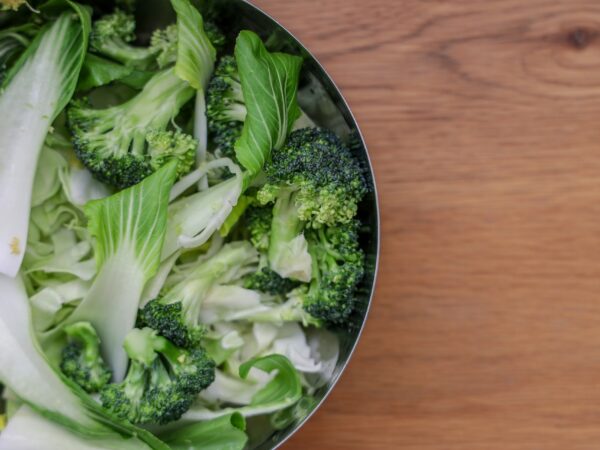
Spinach, kale, broccoli, and Swiss chard are rich in insoluble fibre and also contain magnesium, which helps draw water into the colon and relax the muscle contractions that push stool through. Magnesium deficiency is actually a surprisingly common and under-discussed cause of constipation.
A handful of spinach in a morning smoothie, kales at lunch, or broccoli as a dinner side — these small daily additions build the kind of consistent gut motility that prevents constipation from taking hold in the first place.
Sweet Potatoes
Sweet potatoes are one of the most fibre-dense vegetables you can eat, with around 4–6 grams per medium potato (skin included). They contain both soluble and insoluble fibre, plus they’re high in magnesium — doubling down on the constipation-relief front.
Roast them whole, eat the skin, and you’ve got one of the best fibre filled foods for constipation in a single, genuinely enjoyable ingredient. They also happen to be one of the most budget-friendly options on this list.
Chia Seeds — Tiny But Loaded
Two tablespoons of chia seeds contain around 10 grams of fibre — roughly 40% of the seed by weight is soluble fibre. When they hit liquid, they expand and form a gel that slows digestion, softens stool, and increases the sensation of fullness.
Mix into water and wait 10 – 15 minutes for the seeds to gel before drinking, stir into yogurt, or make overnight chia pudding. If you try one new ingredient from this list, chia seeds give you the most fibre per tablespoon of almost anything on the market.
Rye Bread
Most people reach for whole wheat bread, but rye bread is actually the stronger choice for constipation. The 2025 BDA guidelines specifically mention rye bread as one of the evidence-backed foods for improving bowel regularity — it has a higher fibre content than wheat bread and contains a type of fibre that significantly increases stool frequency.
Swap your usual bread for rye a few days a week and you’re making a meaningful dietary change without overhauling anything else.
The Fibre + Water Rule You Cannot Ignore
Every single food on this list requires adequate water intake to work properly. When fibre moves through your gut, it absorbs water — if you’re not drinking enough, it pulls water from your stool instead, making it harder and drier.
A 2025 study in BMC Public Health found that people who got the most fluids from a variety of sources — water, herbal teas, soups, smoothies, fruits — were 46% less likely to experience constipation than those who got the least. You don’t have to drink litres of plain water. You just need enough consistent fluid intake for the fibre to do its job.
A Practical Day Of Eating For Constipation Relief
Here’s what a fibre-focused day could look like without overthinking it:
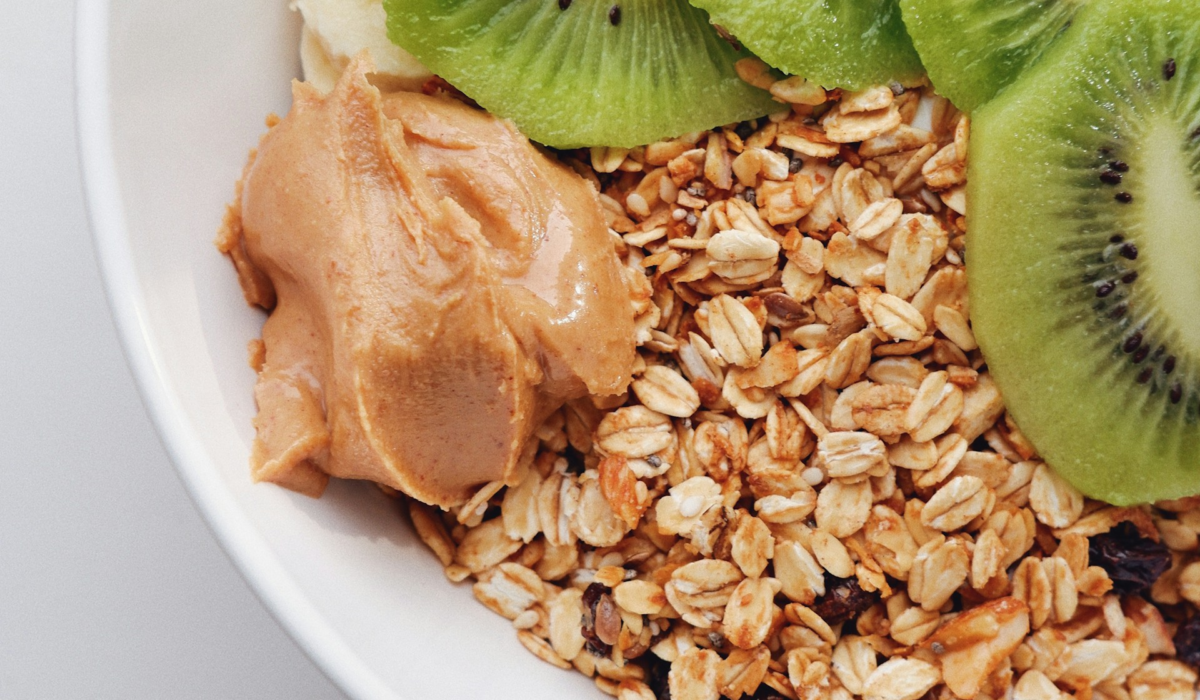
- Breakfast — Rolled oats with ground flaxseed, a sliced kiwifruit, and a few prunes stirred in
- Lunch — Lentil soup with dark rye bread
- Snack — An apple or pear with the skin on, a handful of nuts
- Dinner — Roasted sweet potato (skin on), leafy greens sautéed with garlic, and a protein of your choice
That day comfortably clears 30 grams of fibre — the upper end of the recommended range — without any supplements, powders, or anything particularly difficult to find or prepare.
One Final Thought
If you’ve been eating more fibre filled foods for constipation for a week or two and things still aren’t shifting, it’s worth checking in with a doctor. Chronic constipation can sometimes have an underlying cause — IBS, thyroid issues, certain medications — that dietary changes alone won’t fix. Food is a powerful starting point, but it’s not always the whole answer.
Start with kiwifruit and prunes. Add flaxseed to your oats. Eat the skin on your fruit. These are small, genuinely evidence-backed changes that your gut will actually notice.