Is your pasta water cloudy as the boiling intensifies? It might not look particularly appetizing, but that milky liquid is one of the easiest signs your pasta is cooking exactly as it should. Far from being something to pour straight down the drain, it’s packed with starch that can turn an ordinary sauce into one that’s glossy, silky, and full of flavor.
The truth is, cloudy pasta water is exactly what you want to see. That milky appearance comes from starch released during cooking, and it’s the same ingredient professional chefs rely on to create silky sauces that cling beautifully to every strand of pasta.
Pasta Water Cloudy? Here’s What’s Really Happening
That milky appearance isn’t dirt, soap residue, or a sign you’ve ruined dinner. It’s simply starch leaving the pasta and mixing with the cooking water.
In fact, many people who know their way around the kitchen look for it. That starch is one of the easiest ways to tell the pasta is cooking normally, and it can become one of the most useful ingredients in your meal if you know how to use it.
Where Does the Cloudiness Come From?
The answer starts with how pasta is made.
Whether it’s spaghetti, penne, or fusilli, most dried pasta is made from wheat flour, which is naturally rich in starch. During production, a small amount of starch remains on the surface, while even more is locked inside the pasta itself.
Once the pasta is dropped into boiling water, the surface starch dissolves almost immediately. As the pasta softens, some of the starch inside also escapes into the water, creating the cloudy appearance.
Some Pasta Turns the Water Cloudier Than Others
Not every pot of pasta will look the same.
Fresh pasta usually releases starch much faster because it’s softer and contains more surface flour. If you’ve made homemade pasta before, you’ve probably dusted it generously with flour to stop it sticking together. Some of that flour washes straight into the cooking water.
Bronze-cut pasta can also produce noticeably cloudier water than smoother varieties. Its rough surface sheds a little more starch while also giving sauces something to grip onto later.
Whole wheat and gluten-free pasta behave differently again. Depending on the grains or starches used, the water may become cloudy sooner or appear slightly thicker by the end of cooking.
These differences are completely normal and don’t mean one type of pasta is better than another.
Why Chefs Save Pasta Water Instead of Pouring It Away
This is where the science becomes useful.
The starch suspended in the cooking water helps bind ingredients that don’t naturally mix well, such as butter, olive oil, cheese, and tomato sauces. Instead of separating into watery or oily puddles, they come together into a smoother, silkier sauce.
That’s why restaurant kitchens rarely drain pasta without first saving a cup of the cooking water.
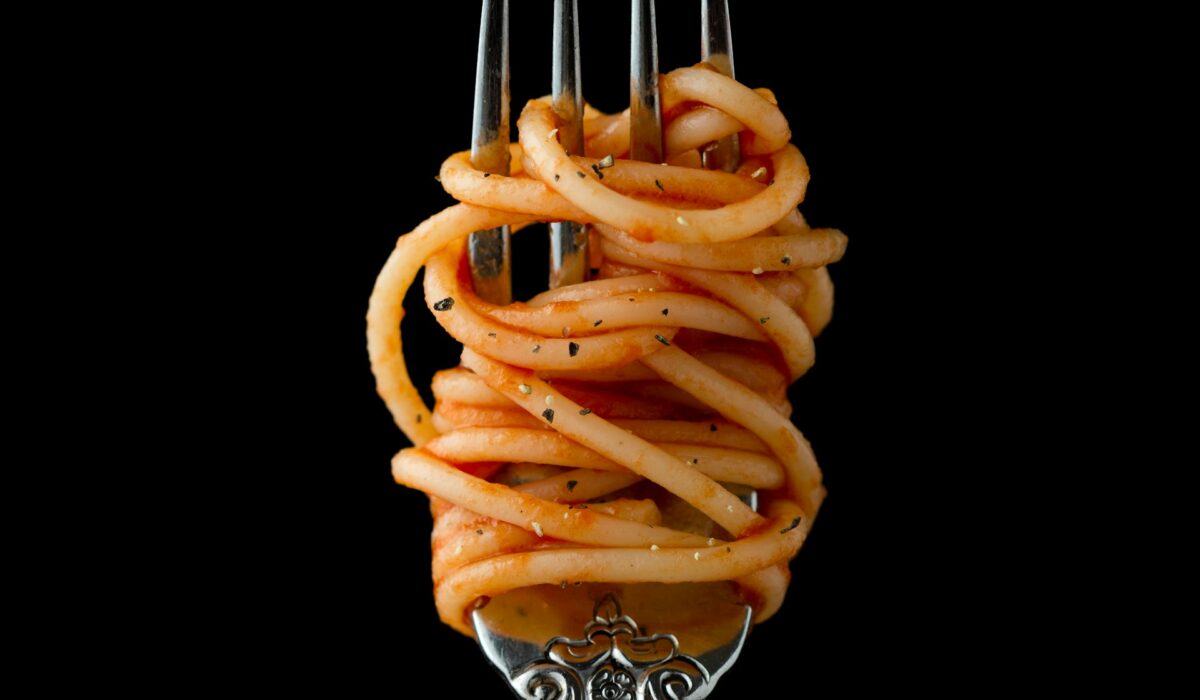
Imagine tossing spaghetti with olive oil and garlic. Without any starchy water, the oil tends to coat the bottom of the bowl instead of the pasta. Add a splash of reserved pasta water and the sauce suddenly clings to every strand.
The same trick works with creamy Alfredo, carbonara, pesto, cacio e pepe, and even simple tomato sauces.
Once you start using it, you’ll probably never pour all of it down the sink again.
Does Cloudy Pasta Water Mean the Pasta Is Ready?
Not necessarily.
One of the biggest misconceptions is that cloudy water means the pasta has finished cooking. In reality, it only tells you that starch has been released into the water.
The only reliable way to know whether pasta is ready is to taste it. It should be tender but still have a slight firmness in the centre—a texture known as al dente.
So while seeing cloudy water is a good sign that cooking is progressing normally, it shouldn’t replace checking the pasta itself to know when its done.
Should You Rinse The Pasta After Draining?
For most pasta dishes, it’s better not to.
Rinsing removes the thin coating of starch that helps sauces stick. Without it, the sauce is more likely to slide off the pasta instead of coating it evenly.
The main exception is pasta salad. Since the pasta won’t be finished in a hot sauce, rinsing helps cool it quickly and stops it from continuing to cook.
For almost every other recipe, use the pasta without rinsing after draining.
Small Habits That Make Better Pasta Every Time
A few simple habits make a noticeable difference in how your pasta dishes turn out.
- Salt the cooking water generously so the pasta is seasoned from the inside out
- Use a pot that’s large enough for the pasta to move freely. This helps it cook evenly and prevents sticking
- Before draining, always reserve a cup of the cooking water. You may only need a few tablespoons, but it’s much easier to discard leftovers than wish you’d saved some
- Finally, add the reserved pasta water in the sauce for the last minute or two of cooking. That’s when the starch, sauce, and pasta come together to create the glossy finish that’s difficult to achieve by simply spooning sauce over drained pasta
The Bottom Line
The next time you notice pasta water is cloudy in the pot, you’ll know it’s not a mistake—it’s one of the normal parts of the cooking process.
That cloudy water is simply starch released from the pasta, and it’s the same ingredient that helps create smoother sauces, better texture, and more flavorful dishes. Rather than pouring it straight down the drain, save a little before you do. It’s a small habit that can make a surprisingly big difference to your cooking.