There is a lot more you can do with romaine than pile it into a Caesar salad. During peak romaine lettuce season, the leaves are at their crispest and most refreshing, making them ideal for everything from chopped salads and wraps to grilled lettuce and hearty meals built around fresh greens.
Its mild flavour is part of the appeal. Romaine provides plenty of crunch without overpowering other ingredients, so you can pair it with creamy dressings, sharp citrus, roasted vegetables, beans, grains, herbs and even fruit.
When Is Romaine Lettuce in Season?
There isn’t one universal month for romaine lettuce season because availability depends on where the lettuce is grown and the conditions in the growing region.
Romaine generally performs well during cooler periods, which is why it can appear in markets at different times of the year depending on the local climate and supply.
For shoppers, seasonality is often more useful as a guide to quality than as a strict calendar date. When fresh romaine is readily available at the farmers’ market, you’ll often find firm heads with crisp leaves and plenty of flavour.
The best approach is therefore to judge the lettuce in front of you rather than assuming that a particular month automatically means better romaine.
How to Choose Fresh Romaine
Good romaine should look as though it still has plenty of moisture in its leaves. The head should feel reasonably firm, with leaves that hold their shape rather than collapsing when handled.
Look for:
- Crisp, sturdy leaves
- Fresh-looking edges
- A firm heart
- Minimal browning
- No slimy or waterlogged areas
- Leaves that haven’t become excessively wilted
A little browning on an outer leaf doesn’t necessarily mean the entire head is unusable. Remove the damaged leaves and inspect what remains.
The key thing is texture. Romaine is prized for its crunch, so a head that already feels limp is unlikely to deliver the same experience regardless of how creatively you prepare it.
Keep Romaine Crisp Until You’re Ready to Use It
Fresh romaine doesn’t need complicated treatment, but moisture management makes a noticeable difference.
If you’ve washed the leaves before storing them, dry them thoroughly. Water trapped between leaves can encourage deterioration, while completely dry leaves can lose moisture over time. A salad spinner is useful here, but you can also pat the leaves gently with a clean kitchen towel.
Keep the lettuce refrigerated and avoid crushing it beneath heavier vegetables or containers.
If you’re not using the whole head at once, keeping the remaining leaves intact can help them retain their texture. Wash and prepare only what you need when practical.
Go Beyond the Caesar Salad
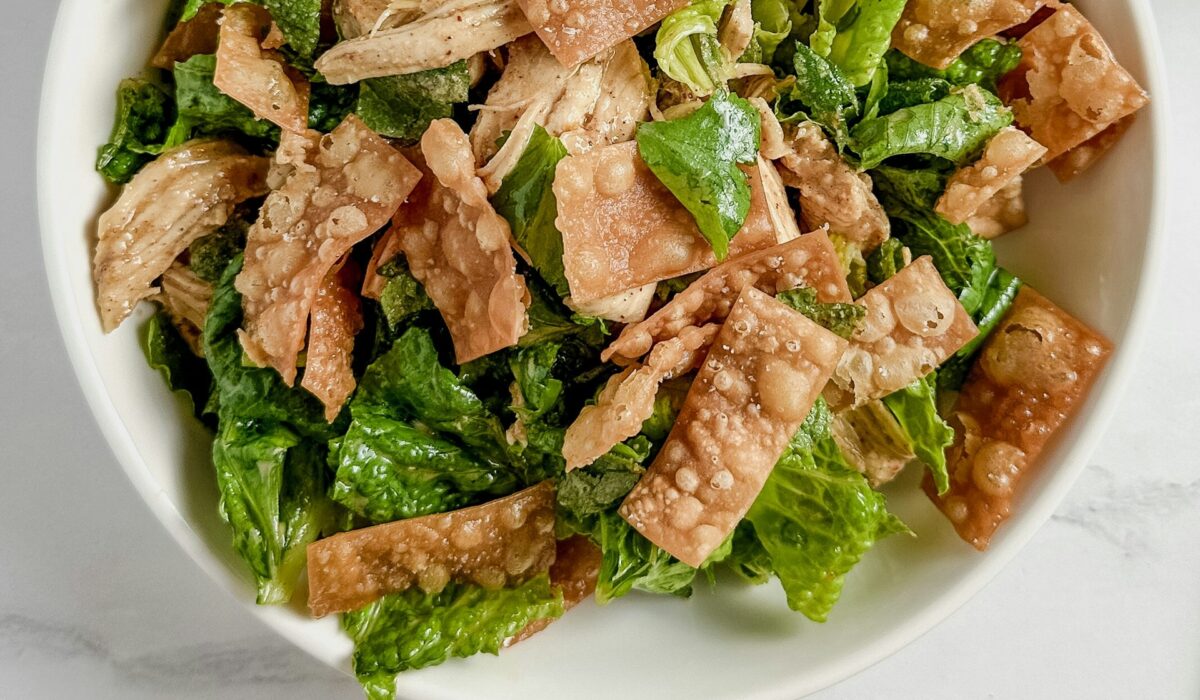
A Caesar salad is an excellent use for romaine, but its sturdy leaves can handle much more.
Try chopping romaine into a salad with cucumber, tomatoes, chickpeas, red onion and fresh herbs, then dress everything with lemon juice and olive oil. You can also combine it with roasted vegetables, cooked grains, beans, avocado or toasted seeds to create something substantial enough to serve as a meal.
For a fruit-based combination, try romaine with orange segments, apple or pear, toasted walnuts and a sharp vinaigrette. The crisp leaves provide a useful contrast to the sweetness of the fruit and richness of the nuts.
This is also where romaine fits naturally into an anti-inflammatory lifestyle. Pairing leafy greens with colourful vegetables, herbs, nuts, seeds and extra-virgin olive oil gives you a variety of plant foods in one dish without requiring complicated recipes.
Try Grilling Romaine
Putting lettuce on a hot grill may sound unusual, but romaine’s firm structure makes it surprisingly well suited to the technique.
Cut a head in half lengthwise, leaving enough of the core intact to hold the leaves together. Brush the cut surface lightly with olive oil and place it cut-side down on a hot grill or well seasoned cast iron pan.
It only needs a short cooking time. You’re looking for lightly charred edges and a little softening while the centre retains some of its characteristic crunch.
Finish it with lemon juice, grated Parmesan, chopped herbs or a simple vinaigrette.
Grilled romaine works particularly well alongside grilled fish, chicken or beans, but it can also become the centre of a meal when topped with chickpeas, roasted vegetables and a substantial dressing.
Use Romaine as a Wrap
Romaine leaves are naturally suited to holding fillings, particularly the larger outer leaves.
You can use them in place of tortillas for fillings such as seasoned beans, grilled chicken, fish, lentils or roasted vegetables. The leaves provide a fresh crunch while allowing the filling to remain the main source of flavour.
For a more filling snack, add cooked grains, avocado, herbs and a spoonful of a strongly flavoured sauce.
The trick is to avoid overstuffing the leaves. Romaine is sturdy, but a mountain of filling will make even the strongest leaf difficult to handle.
Add It to Sandwiches, Burgers and Tacos
You don’t need a salad bowl to make good use of romaine.
Its crisp leaves can add texture to sandwiches and burgers, where they provide a useful contrast to softer bread, cheese and fillings. Tear the leaves into manageable pieces rather than using a whole leaf if you’re making a sandwich.
Romaine also works particularly well with tacos. Add shredded leaves alongside beans, grilled vegetables, fish or meat, then finish with salsa, avocado, lime and fresh herbs.
The same principle works with flatbreads and grain bowls. Think of romaine as a textural ingredient rather than something that needs to be the star dish.
Pair Romaine With Stronger Flavours
Romaine has a relatively mild flavour, which means it can stand alongside ingredients with considerably more character.
Acid is particularly useful. Lemon juice, lime, vinegar and pickled vegetables can give a romaine-based dish the sharpness it needs.
Garlic, fresh herbs and spices can provide depth, while nuts and seeds add crunch and richness. Avocado and creamy dressings take the dish in the opposite direction, giving the leaves a softer, richer partner.
Tomatoes and peppers bring sweetness and acidity, while roasted vegetables introduce deeper flavours that contrast nicely with the fresh lettuce.
This versatility is one reason romaine lettuce season is worth taking advantage of. You don’t need a special recipe every time you buy a head; you can build around whatever other ingredients you already have.
Make Romaine the Main Ingredient
Romaine can carry a meal when you build enough contrast around it.
Start with a generous amount of chopped or torn leaves, then add a source of protein such as chickpeas, beans, lentils, fish, chicken or eggs. Add two or three vegetables with different textures, followed by something rich such as avocado, nuts, seeds or cheese.
Then pay attention to the dressing.
A simple combination of extra-virgin olive oil, lemon juice, garlic, herbs and a little seasoning can pull everything together. If you’re using richer ingredients, increase the acidity. If the salad contains plenty of sharp or acidic ingredients, a little creaminess can bring the flavours back into balance.
This approach also makes it easier to incorporate the kinds of foods that feature naturally in an anti-inflammatory eating pattern: leafy greens, legumes, colourful vegetables, herbs, nuts, seeds and olive oil can all contribute without making the meal feel like a prescription.
Make the Most of Romaine When It’s at Its Best
The appeal of romaine lettuce season isn’t simply that the lettuce is available. It’s an opportunity to take advantage of one of the vegetable’s best qualities—its texture.
Keep it raw when you want maximum crunch. Grill it when you want lightly charred edges and a warmer, more complex flavour. Use the leaves for wraps, add them to sandwiches and tacos, or build a substantial salad around them.
A fresh head can move comfortably between salads, cooked dishes, sandwiches and complete meals, giving you plenty of reasons to bring it into the kitchen while it’s at its best.