Adding pearl barley to soup is one of those small changes that can completely transform the finished dish. It doesn’t simply make soup more filling—it changes the texture of the broth, absorbs the flavours around it, and adds a pleasantly chewy bite that keeps people coming back for another bowl.
Whether you’re making a hearty beef soup, a simple vegetable broth, or a rustic mushroom soup, pearl barley has a way of bringing everything together. Understanding how it behaves during cooking helps you get the best results without turning your soup into a pot of mush.
Why Pearl Barley Has Been a Soup Staple for Centuries
Long before pasta and rice became everyday pantry staples, barley was feeding families across Europe, the Middle East, and parts of North Africa. It was inexpensive to grow, stored well through the seasons, and could turn a modest pot of broth into a satisfying meal.
That same appeal hasn’t changed much today.
Pearl barley has a mild, slightly nutty flavour that complements rather than competes with other ingredients. Instead of dominating a soup, it quietly absorbs the flavours of herbs, vegetables, meat, and stock while adding substance that plain broth often lacks.
It’s also remarkably versatile. A handful can stretch a vegetable soup into a complete meal or add another layer of texture to slow-cooked beef, lamb, or chicken without making the dish feel heavy.
What Happens When You Start Adding Pearl Barley to Soup?
The biggest change happens in the broth itself.
As pearl barley cooks, it slowly releases starch into the liquid. Unlike flour or cornstarch, which thicken almost immediately, barley creates a gradual change. The broth becomes slightly richer and silkier without losing its comforting, soup-like consistency.
At the same time, each grain absorbs the surrounding flavours. Instead of tasting bland, properly cooked pearl barley carries hints of the stock, herbs, garlic, onions, and spices it has been simmering with.
Its texture changes too.
Dry pearl barley begins firm and compact, but as it cooks, the grains swell and become tender while keeping a gentle chew. That contrast is one reason barley soups feel so satisfying. Every spoonful offers soft vegetables, tender meat, and grains that still have a little bite.
Pearl Barley vs Hulled Barley: Does It Matter?
If you’ve shopped for barley before, you’ve probably noticed two common options: pearl barley and hulled barley.
Although they come from the same grain, they behave differently in the kitchen.
Pearl barley has had its tough outer bran removed and polished, allowing it to cook much faster. That’s why most soup recipes call for it. It softens within about 30 to 45 minutes while still holding its shape.
Hulled barley is less processed and retains more of its bran layer. Many people choose it for its higher fibre content, but it can take well over an hour to become tender, making it less practical for everyday soups.
Should You Cook Pearl Barley Before Adding It to Soup?
There’s no single right answer, and both methods have their place.
Cooking pearl barley directly in the soup allows the grains to absorb flavour from the very beginning. As they cook, they also release starch into the broth, giving it extra body and a richer mouthfeel. This is the approach many traditional recipes rely on because everything develops together in one pot.
Some cooks prefer to prepare the barley separately before stirring it into the soup near the end of cooking.
This method gives you more control over the final texture and keeps the broth lighter and clearer. It’s also useful if you’re preparing several different soups from the same batch of cooked barley or if you simply don’t want the grains continuing to absorb liquid while the soup sits.
Neither method is better than the other. It depends on whether you prefer a soup with a delicate broth or one that’s slightly thicker and more rustic.
When Should You Add Pearl Barley to Soup?
Timing depends on the type of soup you’re making.
For soups that simmer for an hour or longer, such as beef and barley soup, pearl barley can usually be added early in the cooking process. It has plenty of time to soften while soaking up the flavours developing in the pot.
Vegetable soups often cook more quickly, so it’s usually better to add the barley before the vegetables have started softening. This helps everything finish cooking at roughly the same time without leaving delicate vegetables overdone.
If you’re using cooked pearl barley, simply stir it in during the last five to ten minutes. Since it’s already tender, it only needs enough time to warm through and absorb a little of the broth.
Whichever method you choose, remember that pearl barley continues to absorb liquid even after the heat is turned off. A soup that looks perfect on the stove may become noticeably thicker after resting for a while.
How Much Pearl Barley Should You Add?
A little barley goes further than many people expect.
As it cooks, the grains expand significantly, so adding too much can quickly shift a soup from light and brothy to something closer to a stew.
For most family-sized pots, around ½ to ¾ cup of uncooked pearl barley provides plenty of texture without overwhelming the other ingredients.
Finding the right balance is less about following an exact measurement and more about deciding what you want the finished soup to feel like.
Which Soups Pair Best with Pearl Barley?
One of pearl barley’s strengths is that it adapts to almost any style of soup.
In beef soup, it absorbs the rich cooking juices while adding texture that complements slow-cooked meat beautifully.
In mushroom soup, the barley’s subtle nuttiness echoes the earthy flavour of the mushrooms without competing for attention.
Vegetable soups also benefit from pearl barley. Ingredients like carrots, celery, leeks, kale, and root vegetables become much more satisfying when paired with tender grains.
Chicken soups take on a comforting, almost risotto-like quality as the barley gently thickens the broth during cooking.
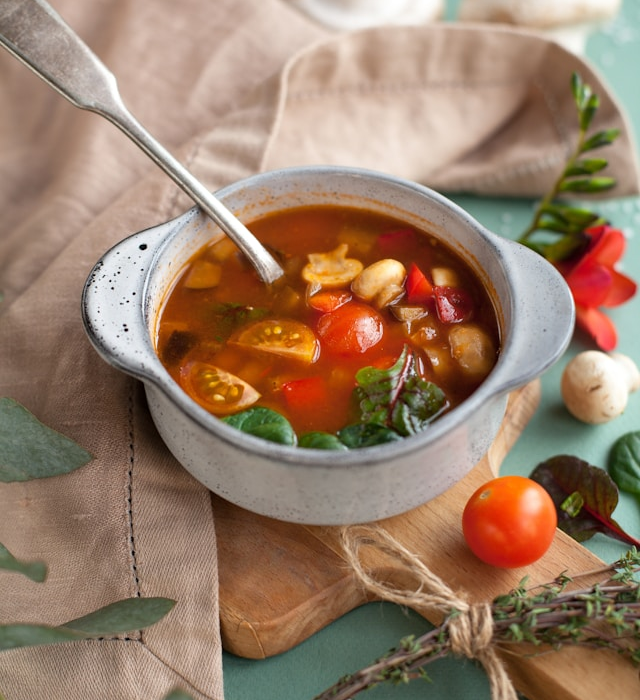
Even tomato-based soups can benefit from pearl barley. Its mild flavour softens the acidity of the tomatoes while making the meal feel more complete.
That’s one reason barley has remained popular for generations—it works with almost everything.
Does Pearl Barley Change the Flavor of Soup?
Not dramatically, but it does influence the overall taste.
Pearl barley has a gentle nutty flavour that’s easy to overlook on its own. The real magic lies in its ability to absorb the flavours around it.
As the grains simmer, they soak up seasoned stock, herbs, spices, and aromatics. Instead of each ingredient standing apart, the flavours become more rounded.
At the same time, the starch released into the broth slightly softens sharp or acidic flavours. The result isn’t a soup that tastes like barley—it’s a soup that tastes fuller, smoother, and more balanced.
It’s a subtle difference, but one that’s easy to appreciate once you’ve experienced it.
Why Patience Makes Better Barley Soup
Unlike pasta, which can go from perfectly cooked to overdone in just a few minutes, pearl barley rewards slow cooking.
Given enough time, the grains gradually soften while the broth develops greater depth and richness. The flavours have time to mingle, the starch thickens the liquid naturally, and the soup becomes more cohesive with every gentle simmer.
Many home cooks even notice that barley soup tastes better after resting for fifteen or twenty minutes before serving. During that short pause, the grains continue absorbing flavour while the broth settles into a smoother consistency.
It’s a reminder that some ingredients simply can’t be rushed.
The Bottom Line
Whether you’re making a classic beef and barley soup or giving a vegetable broth more substance, pearl barley brings balance rather than bulk. Once you understand how it behaves in the pot, it’s easy to see why generations of home cooks have kept this humble grain within arm’s reach.