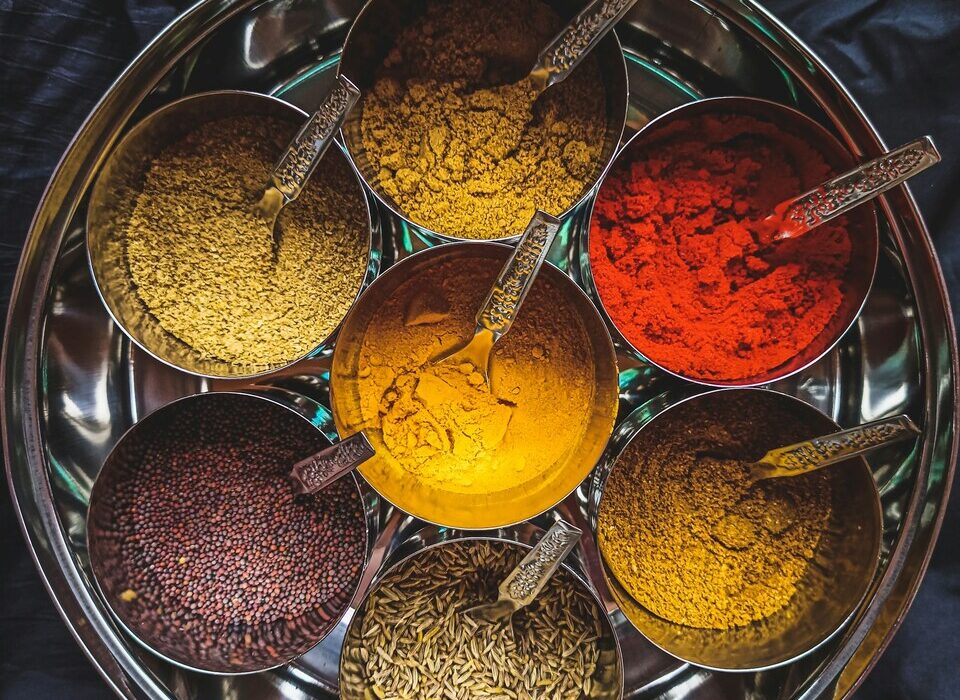
Various types of masala have transformed everyday cooking for centuries, turning simple ingredients into dishes layered with warmth, aroma and depth of flavor. While many people think of masala as a single spice, the word simply means “blend,” and those blends vary dramatically from one recipe, household, and region to the next.
That diversity is what makes masala so fascinating. Some blends are rich and warming, others are bright and tangy, while a few are designed to bring out the best in vegetables, lentils, meat, or rice. Understanding what goes into these spice mixtures—and what they’re designed to do—makes it much easier to choose the right blend for the meal you’re preparing.
What Does “Masala” Actually Mean?
The word masala simply means a mixture of spices. Depending on the recipe, it may refer to a dry blend of ground spices or a freshly made paste containing ingredients like ginger, garlic, onions, chilies, and herbs.
This often surprises people because many assume masala is a single seasoning. In reality, there are dozens of masalas, each carefully balanced to complement a particular dish.
Another common misconception is that every masala is fiery hot. Heat is only one part of a good spice blend. Many masalas rely more on aromatic spices like cardamom, cinnamon, coriander, fennel, or cumin to build layers of flavor rather than overwhelming the palate with chili.
How the Spice Trade Shaped the Various Types of Masala
Masala blends didn’t appear overnight. As spices traveled along ancient trade routes linking Asia, the Middle East, East Africa, and Europe, new ingredients, techniques, and culinary traditions mixed over centuries.
Communities adapted these spices to suit local ingredients and tastes, gradually creating distinctive blends for everything from hearty stews to fragrant rice dishes. Traditional systems such as Ayurveda also encouraged balancing flavors and aromas, influencing how many classic spice combinations were developed.
Over time, spice blending became both an art and a family tradition, with recipes often passed from one generation to the next. Even today, many households prepare their own blends, adjusting ingredients to suit personal preferences.
Why Every Region Has Its Own Signature Masala
One reason there are so many various types of masala is that no single blend works for every climate, ingredient, or style of cooking.
Northern regions often favor warming spices such as cumin, coriander, cinnamon, cloves, cardamom, and black pepper that complement rich curries, lentils, and roasted meats.
Farther south, spice blends frequently include curry leaves, mustard seeds, dried chilies, tamarind, and coconut, creating brighter, bolder flavors that pair well with seafood, vegetables and soups.
Coastal communities developed blends influenced by centuries of maritime trade, while eastern regions became known for lighter spice combinations and whole-seed blends like panch phoron.
Even neighboring towns may prepare the same masala differently, proving that family tradition often matters just as much as geography.
The Various Types of Masala and How They’re Used
Although countless regional blends exist, several masalas have become staples in kitchens around the world.
| Masala | Main Ingredients | Best Used For |
|---|---|---|
| Garam Masala | Cinnamon, cloves, cardamom, cumin, coriander, black pepper | Curries, lentils, vegetables, meat dishes |
| Chaat Masala | Dried mango powder, black salt, cumin, coriander | Fruit, salads, snacks, yogurt |
| Tandoori Masala | Paprika, cumin, coriander, garlic, ginger, chili | Chicken, paneer, vegetables |
| Biryani Masala | Cinnamon, cloves, mace, cardamom, bay leaves | Rice dishes and biryani |
| Kitchen King Masala | Coriander, turmeric, cumin, fenugreek and other spices | Mixed vegetables and everyday curries |
| Curry Masala | Usually turmeric, coriander, cumin and chili | General-purpose curries |
| Sambhar Masala | Coriander, lentils, fenugreek, curry leaves, dried chilies | Lentil stews and vegetable dishes |
| Rasam Powder | Black pepper, cumin, coriander, chilies | Rasam and light soups |
| Pav Bhaji Masala | Coriander, fennel, chili, dried mango powder | Mashed vegetable dishes |
| Panch Phoron | Fenugreek, fennel, cumin, mustard and nigella seeds | Vegetables, lentils and pickles |
Each blend serves a specific purpose. Garam masala is usually sprinkled in near the end of cooking to preserve its aroma, while blends like sambhar masala form the backbone of the dish itself. Chaat masala, with its distinctive tang from dried mango powder and black salt, is most often used as a finishing seasoning over fruit, salads, and street foods.
Knowing when a masala is added is just as important as knowing what’s inside it.
Are All Masalas Spicy?
Not at all.
Many people assume the word masala automatically means intense heat, but that’s far from the truth. Some blends contain very little chili, relying instead on fragrant spices without making a dish hot.
Garam masala is a perfect example. Despite its name, “garam” refers to warming spices rather than fiery heat. Cinnamon, cloves, cardamom, and black pepper create a comforting aroma that enhances food without dominating it.
Chaat masala offers another surprise. Its flavor is tangy, salty, and slightly sour thanks to ingredients like dried mango powder and black salt. It’s often sprinkled over fruit, roasted vegetables, or snacks where flavor matters more than heat.
The level of spice ultimately depends on the recipe and the person preparing it, which is why two dishes seasoned with the same masala can still taste quite different.
Homemade vs. Store-Bought Masala
Supermarkets offer an impressive selection of ready-made masala blends, making it easy to explore different flavors without measuring individual spices.
Homemade masalas, however, provide a different experience. Whole spices are often lightly toasted before grinding, releasing fragrant oils that gradually fade once the spices are ground. Preparing smaller batches also allows each household to adjust the balance of flavors to suit personal tastes.
Neither option is automatically better. A quality store-bought blend can produce excellent results, especially when it’s fresh. Homemade blends simply offer greater flexibility and preserve recipes that have often been passed down through generations.
If you’re buying packaged masalas, choosing smaller quantities more often helps maintain freshness since ground spices slowly lose their aroma over time.
Can You Substitute One Masala for Another?
Sometimes—but only if you understand the role each blend plays.
Garam masala and curry masala may share several spices, yet they’re designed for different purposes. Swapping one for the other changes the balance of the dish rather than simply replacing one seasoning with another.
Likewise, chaat masala’s tangy flavor won’t work as a substitute for biryani masala, while sambhar masala is specifically crafted for lentil stews and vegetable dishes.
If you’re missing a particular blend, it’s usually better to use the closest alternative sparingly rather than adding the full amount called for in the recipe. You can always adjust the seasoning later if needed.
As you become familiar with different spice blends, substitutions become easier because you’ll recognize the flavor each one contributes.
Final Thoughts
The various types of masala enjoyed today reflect centuries of culinary tradition, regional influences, and family recipes rather than one universal formula. Each blend is carefully balanced to highlight particular ingredients, whether it’s the comforting warmth of garam masala, the tangy brightness of chaat masala, or the rich aroma of a biryani blend.
Learning what each masala is designed to contribute takes much of the mystery out of cooking with spices. Instead of reaching for the same jar every time, you’ll begin choosing the blend that best suits the flavors you want to build, adding depth, aroma, and character to every meal.