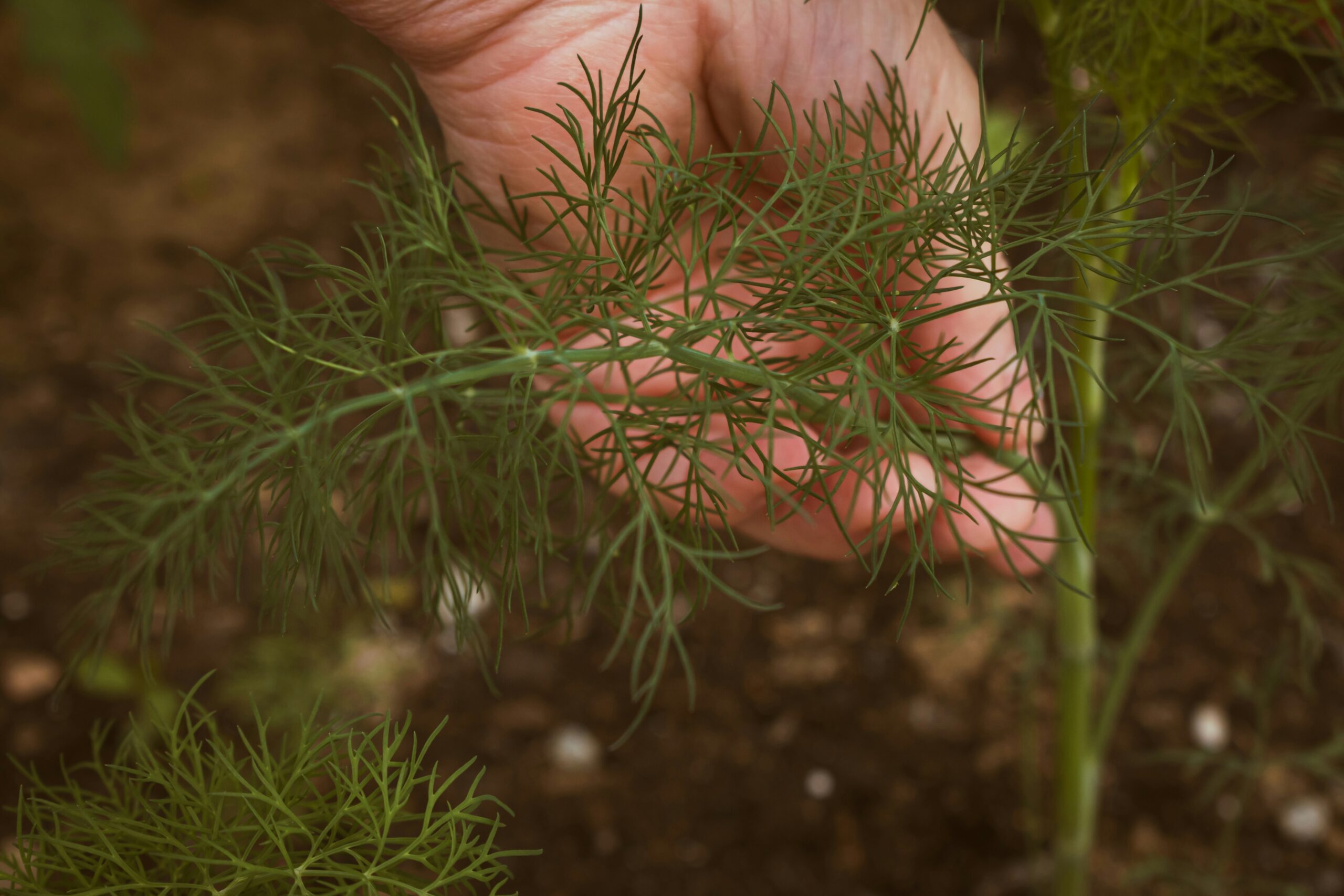
It’s easy to overlook one of the finest parts of a fennel plant. The crisp bulb usually ends up in the pan, while the feathery green leaves are trimmed off and tossed aside, often without a second thought. Knowing what to do with fennel leaves changes the way you look at the entire plant because those delicate fronds carry a fresh, slightly sweet anise flavor that can lift everything from seafood and salads to homemade seasonings.
Far more than a decorative garnish, fennel leaves deserve a place alongside herbs like dill and parsley. They can brighten soups, finish roasted vegetables, flavor compound butter, and even become a fragrant homemade herbal salt that keeps their fresh character alive long after the leaves have been picked.
Once you start treating them as an ingredient instead of kitchen scraps, you’ll find plenty of reasons to save every feathery frond.
The Part Most People Throw Away Is Surprisingly Useful
A fennel bulb may be the star of most recipes, but the fronds quietly do something the bulb can’t. Their soft texture and delicate aroma bring freshness at the very end of cooking, adding a layer of flavor that heavier herbs sometimes overpower.
Unlike the bulb, which develops sweetness as it cooks, the leaves are best appreciated for their light touch. They carry gentle notes of anise without the stronger licorice flavor some people associate with fennel, making them easy to pair with everything from vegetables to seafood.
What Do You Use Fennel In?
Some ingredients only work in a few dishes. Fennel leaves are the opposite. Their mild herbal flavor slips effortlessly into recipes where a heavier herb might dominate, adding freshness without demanding attention.
They’re a natural companion for fish and seafood, especially salmon, cod, shrimp, and scallops, where they pair beautifully with butter, lemon, and garlic. Stirring a handful through pasta just before serving gives creamy sauces and olive oil-based dishes a lighter finish, while egg dishes such as omelets and frittatas benefit from their subtle sweetness.
Roasted vegetables also welcome the addition. Potatoes, carrots, asparagus, and beets take on a brighter finish with chopped fennel leaves scattered over the top, while grain bowls made with quinoa, barley, or rice become more vibrant when paired with citrus, toasted nuts, or roasted chickpeas.
One of the nicest surprises is how easily fennel leaves adapt to whatever else is on the plate. They rarely become the main flavor, but they often become the one that ties everything together.
Finish a Dish Instead of Cooking the Flavor Away
Fresh herbs often do their best work after the heat has been turned off, and fennel leaves are no exception. Their delicate oils fade quickly during long cooking, which is why they’re better treated as a finishing touch than another ingredient to simmer.
A scattering over tomato soup, risotto, grilled fish, or roasted vegetables adds freshness that’s difficult to recreate once the flavor has been cooked away. Even a simple bowl of buttered new potatoes feels more complete with a handful of chopped fronds stirred through just before serving.
Learning what to do with fennel leaves starts with knowing when to add them. Unlike herbs like oregano which hold up well to extended cooking, fennel leaves are best sprinkled over a finished dish.
Turn Fennel Leaves Into Homemade Herbal Salt
Fresh herbs rarely last as long as we’d like, but herbal salt is one of those simple kitchen projects that pays off every time you reach for the seasoning jar. Instead of watching extra fennel leaves wilt in the fridge, you can preserve much of their delicate flavor in a blend you’ll use for weeks.
Start by finely chopping the fennel leaves with a knife, or pulse them a few times in the small grinder or chopper that often comes with a blender. If you’d like a more complex seasoning, add a handful of parsley, thyme, oregano, rosemary, or even dill before chopping so the herbs are evenly distributed throughout the mixture.
From there, you have two good options. The quickest is to mix the chopped herbs directly with coarse sea salt, spread everything onto a tray, and let it air-dry overnight or dry gently in a very low oven until the herbs are completely dry. As the moisture evaporates, the salt takes on the aroma of the herbs.
The second approach takes a little longer but gives you more control over the final blend. Dry the fennel leaves and any other herbs separately first, then crumble or grind them before mixing them into the salt. This method makes it easy to adjust the proportions until the seasoning tastes exactly the way you like it.
A little grated lemon zest is another worthwhile addition if you enjoy citrus. It pairs naturally with fennel, especially when the finished salt is sprinkled over grilled fish, roasted potatoes, eggs, homemade focaccia, buttered vegetables, or even freshly sliced tomatoes.
When deciding what to do with fennel leaves, homemade herbal salt is one of those ideas that keeps rewarding you long after the fresh fronds have disappeared.
Small Garnish, Big Difference
Some ingredients transform a meal without asking for much space on the plate. Fennel leaves belong in that category.
Fold them through potato salad and the richness immediately feels lighter. Sprinkle them over creamy risotto and every bite gains a fresh herbal note. Scatter them across roasted carrots, grilled zucchini, buttered peas, or citrus salads, and suddenly familiar dishes taste a little tastier.
The effect is subtle rather than dramatic, but that’s exactly what makes fennel leaves so enjoyable. They’re there to lift the other ingredients rather than compete with them.
Flavor Pairings That Bring Out the Best in Fennel Leaves
The most memorable flavor combinations are often built on balance, and fennel leaves excel at bringing that balance to a dish.
Rich ingredients like butter, Parmesan, salmon, and olive oil soften their gentle anise notes, while bold flavors such as lemon and orange make the leaves taste even fresher. Garlic adds warmth without masking them, and vegetables like potatoes, peas, and green beans provide a mild backdrop that lets the herb shine.
Once you understand these pairings, deciding what to do with fennel leaves becomes much easier because you’re building around complementary flavors instead of searching for specific recipes.
Fresh Today, Useful Tomorrow
A generous fennel harvest can leave you with more fronds than one meal could ever use, but that’s hardly a problem when they lend themselves to so many simple preparations.
Blend them into pesto with parsley and toasted nuts for a fresh twist on the classic sauce, or mix them into softened butter before chilling it for grilled fish, vegetables, or warm bread. Freezing chopped fennel leaves in olive oil using ice cube trays gives you ready-made flavor bombs for soups and sauces whenever you need them.
These small preparations mean you’ll never be wondering what to do with fennel leaves simply because you had more than expected.
Once you know what to do with fennel leaves, they stop feeling like leftovers and start becoming one of the most useful parts of the plant. Sometimes the ingredient that makes the biggest difference is the one you almost threw away.