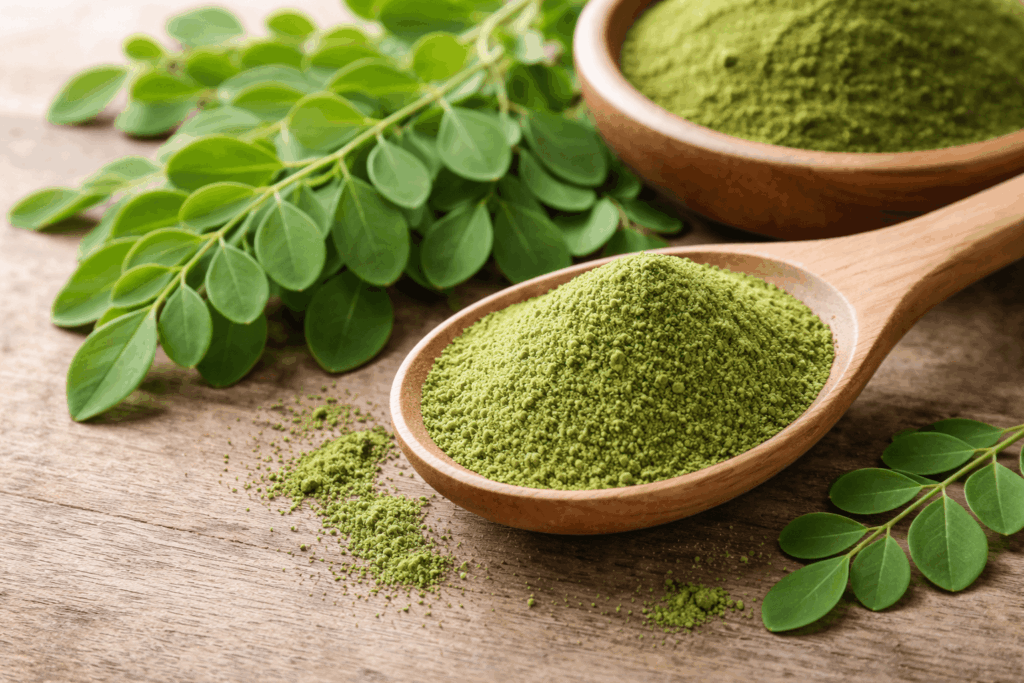
Moringa has quietly become one of the most talked-about nutritional plants in households worldwide — and for good reason. It’s affordable, widely available, and packed with nutrients that many people are missing from their daily diets. If you’re thinking about making regular moringa consumption part of your routine, here’s what you need to know.
What Is Moringa?
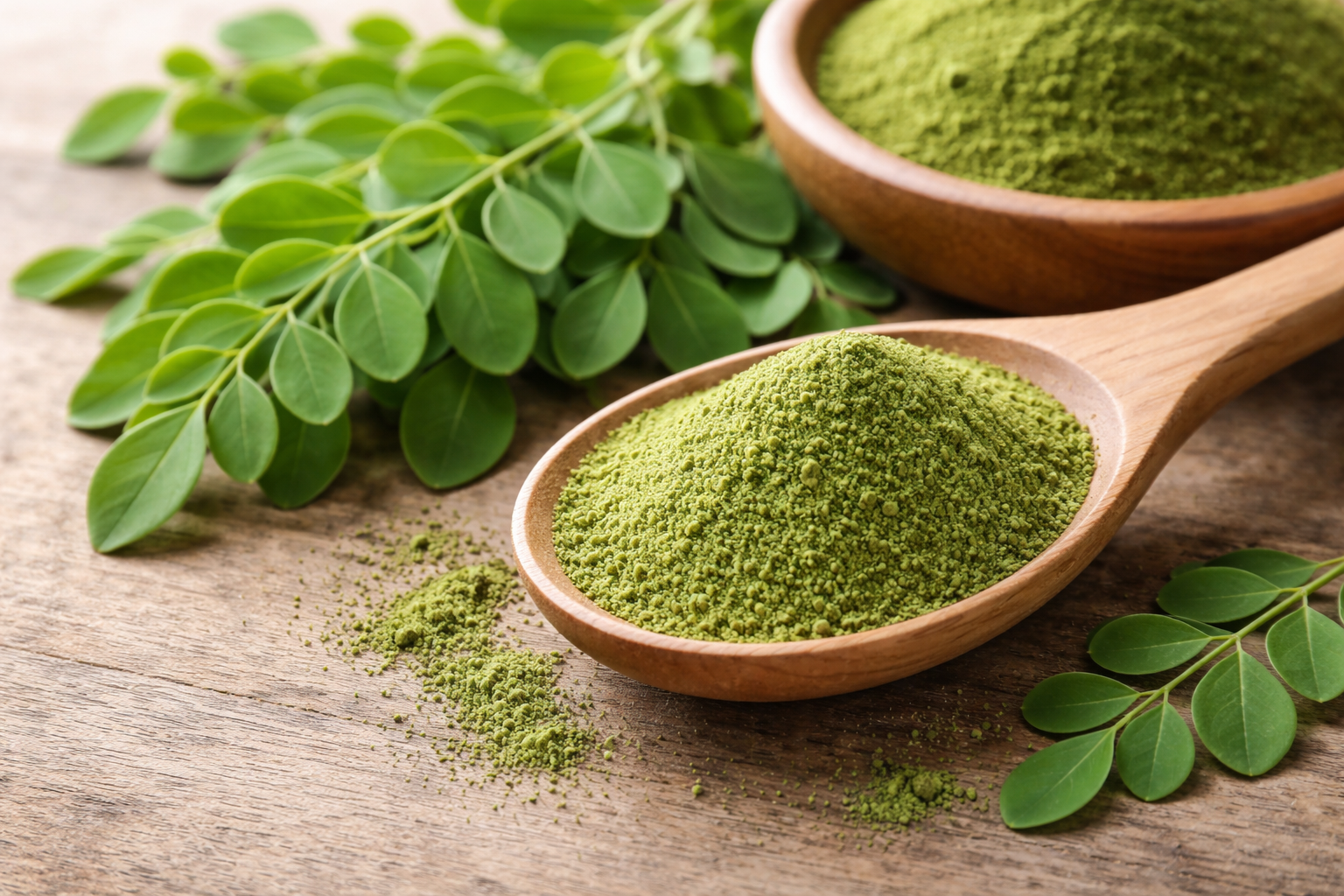
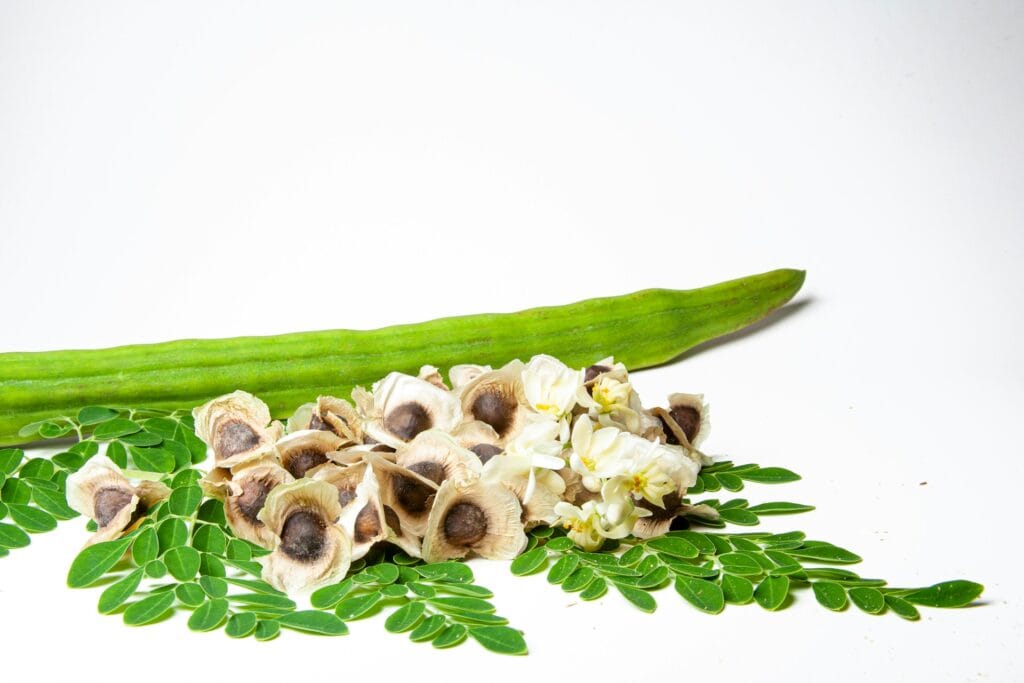
Moringa is a fast-growing tree common across Kenya, Africa, and parts of Asia. Often called the “miracle tree,” almost every part of it can be used — but the leaves are the most popular for food and health purposes.
The leaves are rich in vitamin A, vitamin C, iron, calcium, potassium, and plant-based protein. That combination makes moringa one of the most nutritionally dense greens you can add to your diet without spending much.
What Regular Moringa Consumption Can Do For You
The benefits of moringa build gradually rather than overnight, which is why consistency matters more than quantity. Used regularly, moringa can support:
- Energy levels — the vitamins and minerals help your body function more efficiently and fight tiredness
- Immune health — high antioxidant and vitamin C content helps protect against infection
- Digestion — the fibre content supports gut health and can reduce constipation and bloating
- Inflammation — moringa has natural anti-inflammatory properties that support the body over time
- Blood sugar balance — there is growing evidence that moringa may help stabilise blood sugar levels
- Skin and hair health — the nutrients support cell repair and can reflect positively on how you look and feel
How To Use Moringa Every Day
There are several easy ways to include moringa in your routine.
Moringa powder is the most versatile option. Add a teaspoon to water, juice, porridge, smoothies, or soup. It blends in easily and has a mild, earthy flavour.
Fresh leaves can be cooked the same way you’d prepare kales or spinach — sautéed with onions and tomatoes, or stirred into other vegetable dishes.
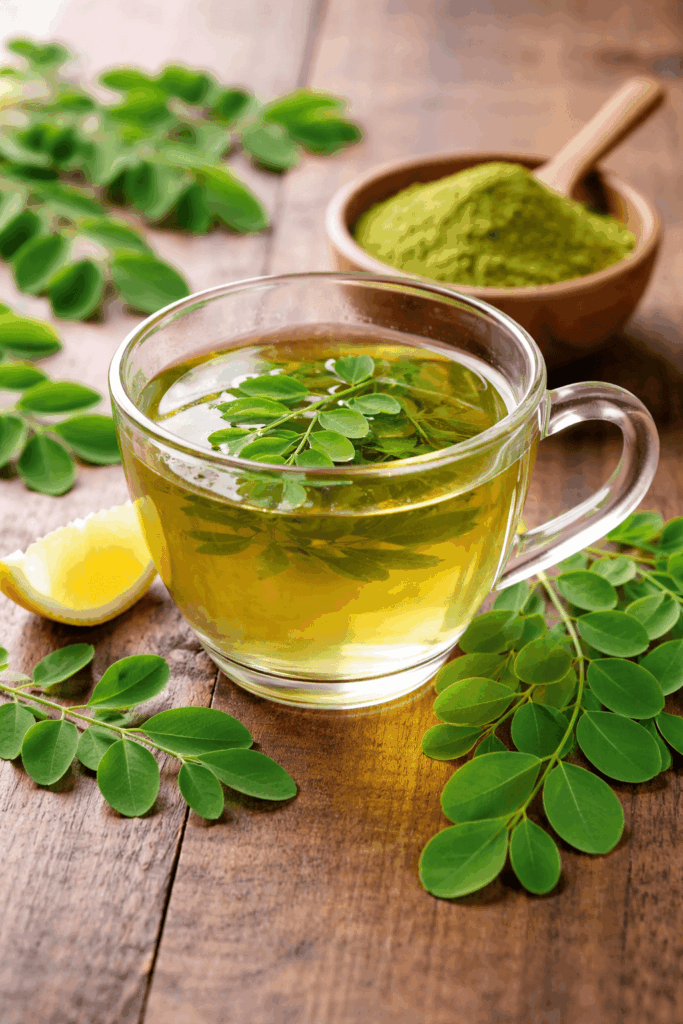
Moringa tea is made by steeping dried leaves in hot water. It’s a simple, calming way to get your daily dose.
Capsules are a convenient option if you don’t enjoy the taste. They work just as well for people who want consistency without the flavour.
How Much Is Too Much?
More is not better with moringa. A safe and effective daily amount for most adults is one teaspoon of powder, a handful of fresh leaves, or one cup of tea. If you’re new to it, start small and increase gradually as your body adjusts.
The key to seeing results is making it a daily habit — keep your moringa somewhere visible so it becomes part of your routine, not something you remember only occasionally
Moringa is natural but not risk-free for everyone. Pregnant women should avoid large amounts, particularly the root and bark. People on medication for diabetes or high blood pressure should check with a doctor before starting, as moringa can interact with how those medications work. Anyone with an ongoing medical condition is better off getting professional advice first.
Choosing Good Quality Moringa
Quality makes a difference. Look for moringa that is bright green in colour, properly dried and stored, free from additives, and from a reliable source. Pale, poorly stored moringa loses much of its nutritional value and won’t deliver the same results.
Moringa isn’t a cure, but it is a genuinely powerful addition to a balanced diet — especially if your meals are lacking in greens or micronutrients. Used consistently and in sensible amounts, regular moringa consumption is one of the simplest and most affordable ways to support your health from the inside out.
T