If you’ve ever felt bloated, fatigued, or dealt with ongoing aches and pains, there’s a good chance inflammation is at play. Inflammation is your body’s natural defense mechanism, but when it becomes chronic, it can contribute to health issues such as arthritis, heart disease, diabetes, and even digestive problems. That is why we came up with this Anti-Inflammatory Diet for Beginners guide to help you identify when chronic inflammation is present.
The good news? The food you eat can play a powerful role in calming inflammation and supporting long-term health. This guide will introduce you to the basics of an anti-inflammatory whole foods diet, what to eat (and what to avoid), and provide a simple meal plan to get you started.
What Is Inflammation?
Inflammation is your body’s way of protecting itself from harm because if you cut your finger, immune cells rush in, causing redness and swelling—that’s acute inflammation, and it’s a good thing.
But chronic inflammation is different as It happens silently and persistently, often fueled by stress, lack of sleep, and, importantly, poor food choices. Eventually this can put your body in a state of imbalance and increase the risk of chronic illness.
The foods you choose each day can either fuel this fire or help put it out.
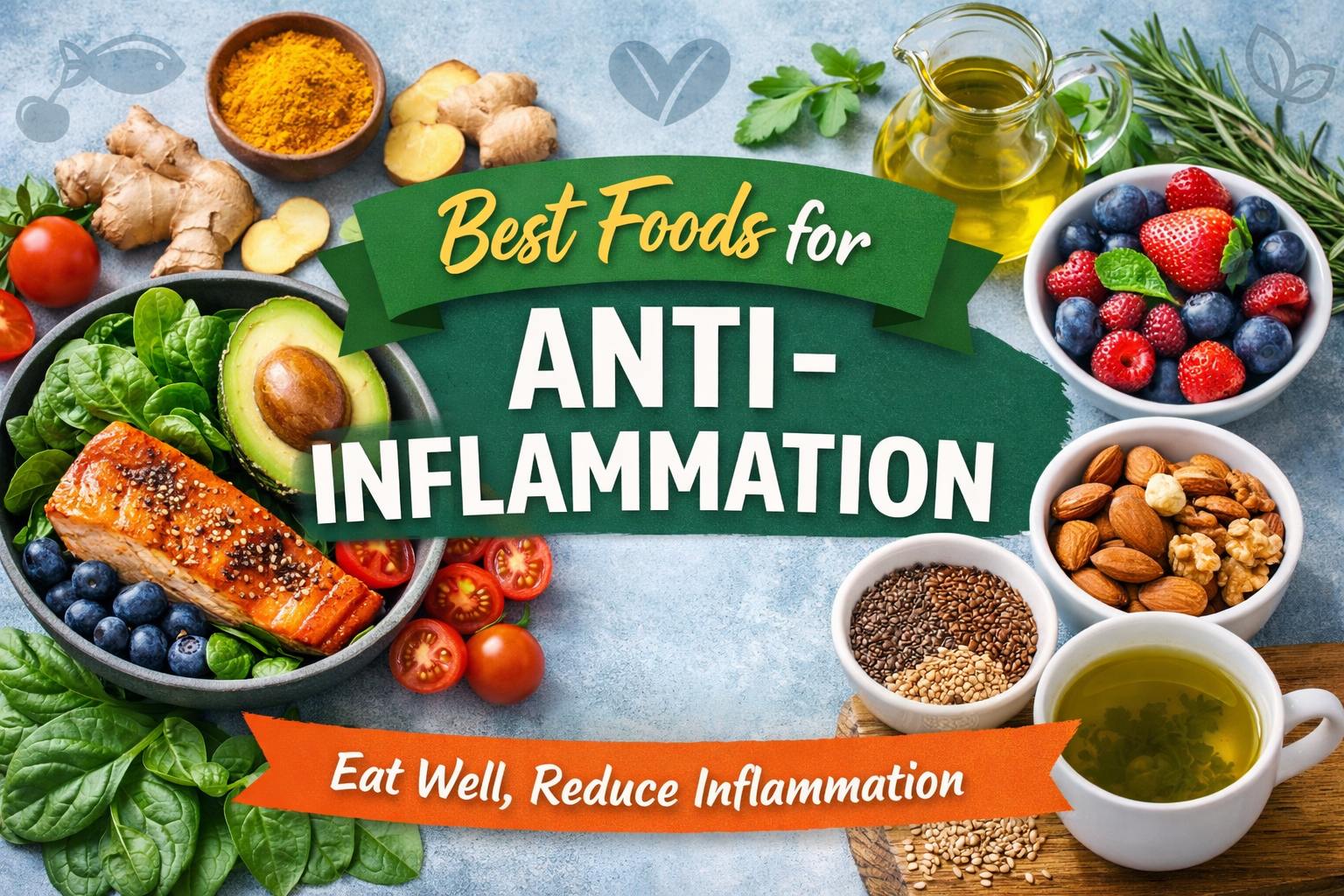
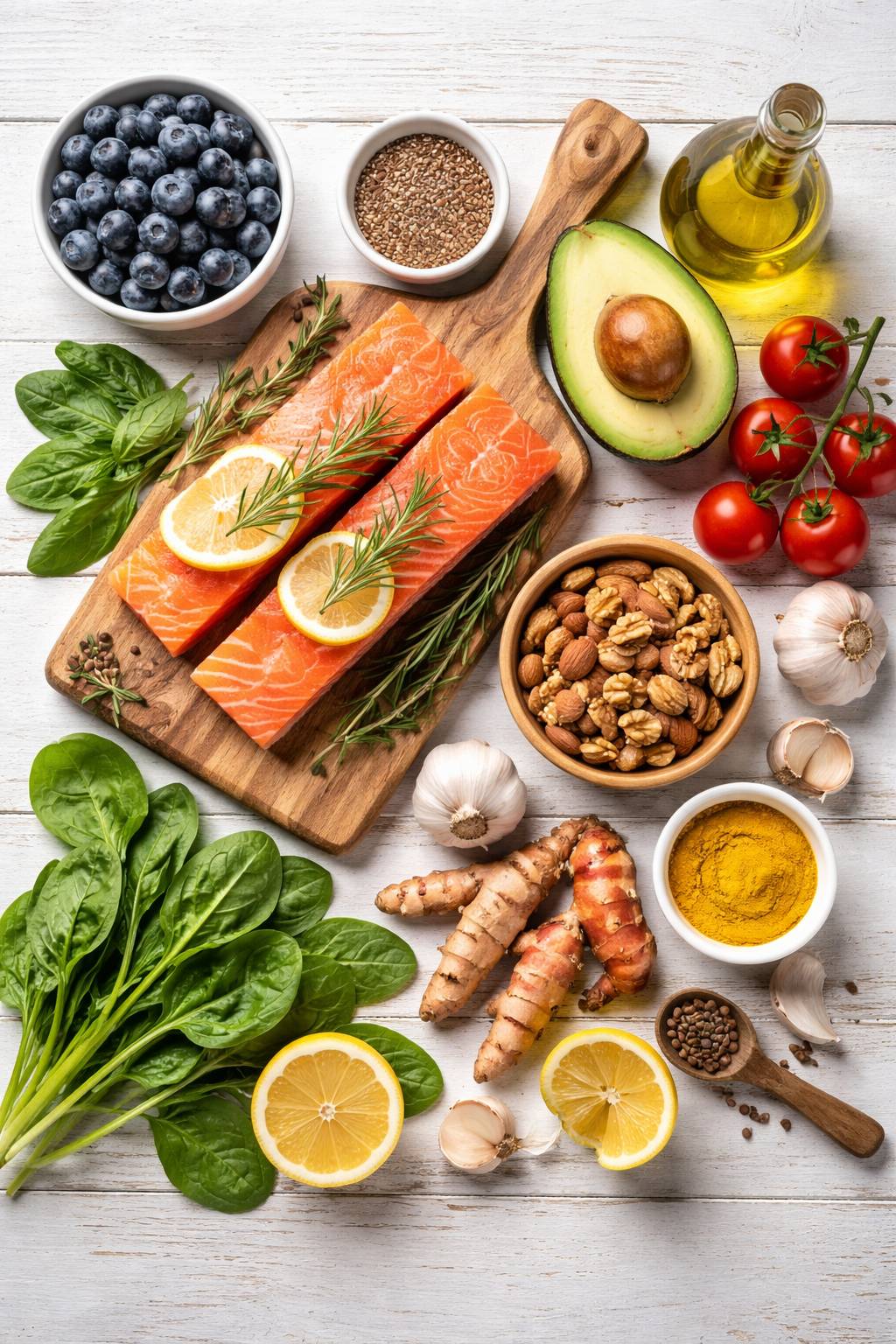
Top Anti-Inflammatory Diet Foods to Start With
- Fatty Fish (salmon, mackerel, sardines)
- Rich in omega-3 fatty acids that fight inflammation.
- Leafy Greens (spinach, kale, Swiss chard)
- Packed with antioxidants, vitamins, and minerals that protect cells.
- Berries (blueberries, strawberries, blackberries)
- High in anthocyanins, compounds that reduce oxidative stress.
- Olive Oil (extra virgin)
- A heart-healthy fat with powerful anti-inflammatory effects.
- Nuts & Seeds (walnuts, chia, flaxseeds, almonds)
- Great sources of plant-based omega-3s and fiber.
- Turmeric & Ginger
- Spices with potent anti-inflammatory and antioxidant properties.
- Whole Grains (oats, quinoa, brown rice)
- Provide steady energy and gut-friendly fiber.
- Legumes (lentils, beans, chickpeas)
- Rich in protein, fiber, and polyphenols that reduce inflammation.
- Green Tea
- Contains catechins, compounds that reduce inflammatory markers.
- Colorful Vegetables (carrots, bell peppers, sweet potatoes, broccoli)
- Each color provides unique antioxidants and nutrients.
Foods to Limit or Avoid
To truly lower inflammation, it’s equally important to cut back on foods that can trigger or worsen it. These include:
- Processed meats (sausages, bacon, deli meats)
- Refined carbs (white bread, pastries, sugary snacks)
- Fried foods
- Sugary drinks and sodas
- Excess alcohol
- Highly processed oils (corn oil, soybean oil, vegetable shortening)
These foods can increase oxidative stress, raise blood sugar spikes, and promote an inflammatory response in the body.
Anti-Inflammatory Diet for Beginners: One Day Meal Plan
Breakfast:
- Overnight oats made with almond milk, chia seeds, blueberries, and a sprinkle of walnuts.
Snack:
- Green tea + apple slices with almond butter.
Lunch:
- Quinoa salad with chickpeas, spinach, cherry tomatoes, cucumber, and olive oil-lemon dressing.
Snack:
- Carrot and celery sticks with hummus.
Dinner:
- Grilled salmon served with roasted sweet potato and steamed broccoli.
Dessert (optional):
- A handful of fresh strawberries or dark chocolate (70%+ cacao).
Tips for Getting Started
- Start small: Swap one processed item for a whole food daily.
- Stock your kitchen: Keep anti-inflammatory staples (olive oil, nuts, oats, frozen berries) on hand.
- Experiment with spices: Turmeric, ginger, cinnamon, and garlic add both flavor and benefits.
- Plan ahead: Prep meals in advance to avoid falling back on processed options.
- Listen to your body: Notice how you feel when you eat more whole, colorful foods.
Final Thoughts
An anti-inflammatory diet doesn’t have to be complicated especially for beginners. By focusing on colorful vegetables, healthy fats, lean proteins, and whole grains, you’re giving your body the fuel it needs to heal and thrive.
It’s not about perfection, but making small, consistent choices that reduce inflammation over time.
Anne – Calm Kitchen Start