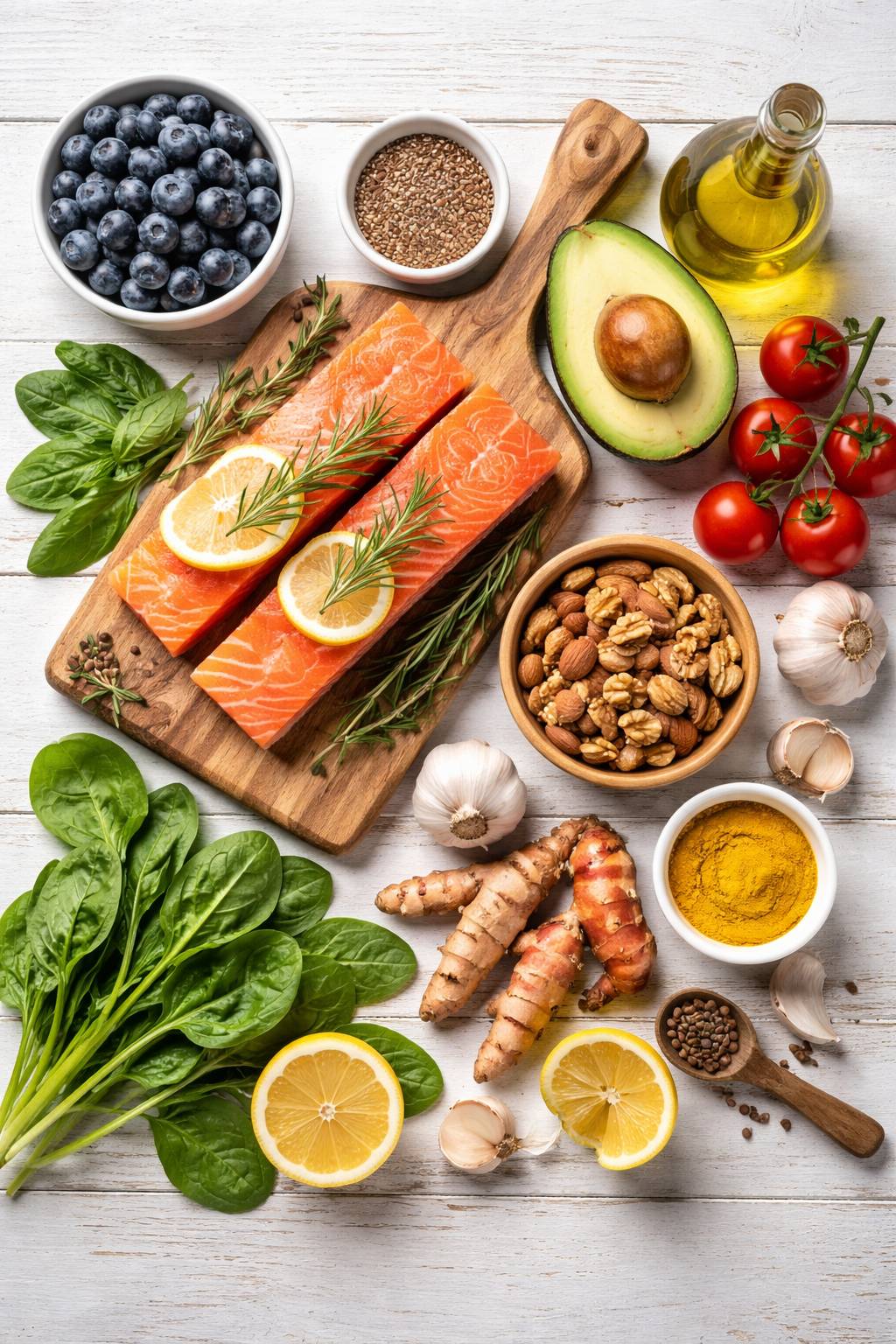
Firstly, if you’re looking to support your body naturally and wondering what foods are good for anti-inflammation, this guide will walk you through the best options to include in your daily meals.
Surprisingly, inflammation is your body’s natural defense system but when it becomes chronic, it can quietly contribute to fatigue, digestive discomfort (constipation, diarrhoea, acid reflux), joint pain, and long-term health concerns. Another key point is that, what you eat every day can either fuel inflammation or help calm it altogether.
What Is Inflammation And Why Should You Care?
Infact, inflammation isn’t always bad because It’s your body’s way of protecting you when you’re injured or fighting infection. On the other hand, chronic inflammation often driven by stress, poor diet, and lifestyle habits can lead to issues like:
- Persistent fatigue
- Digestive problems
- Joint stiffness/pain
- Skin flare-ups
Above all, the foods you choose can either worsen this condition or help reduce it entirely.
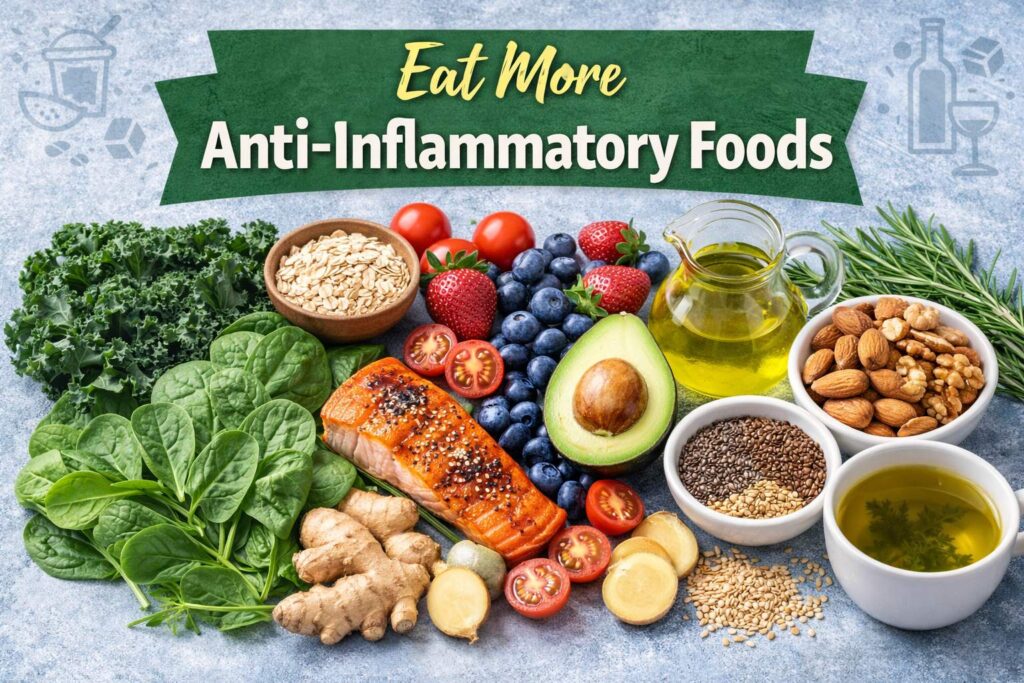
What Foods Are Good for Anti-Inflammation To Incorporate Into Your Diet
Basically, let’s break down some of the most powerful foods that help fight inflammation naturally.
1. Leafy Green Vegetables – Superfoods
Think, for example, spinach, kale, sukuma wiki, broccoli and Swiss chard. These greens are rich in antioxidants, flavonoids, vitamins, and minerals that help neutralize inflammation in the body.
Why they work:
They contain compounds like vitamin C, beta-carotene, and polyphenols that protect your cells from damage.
Simple tip:
Add a handful of greens to your morning smoothie or sauté with garlic for a quick side dish.
2. Fatty Fish – Heart And Brain Health
Fish such as salmon, sardines, tuna, and mackerel are rich in omega-3 fatty acids, which have anti-inflammatory benefits for joint health, heart health, muscle health, and mental health.
Why they work:
Omega-3s help reduce inflammatory markers in the body.
Simple tip:
Aim for 2 servings per week. Grilled or lightly pan-fried works best.
Overall, Omega-3 fatty acids are known to reduce inflammation, with research from the National Institutes of Health supporting their benefits.
3. Berries – Immune Boosting Foods
Strawberries, blueberries, gooseberries, blackberries, raspberries and even local options like tree tomatoes are packed with antioxidants and polyphenols.
Why they work:
They contain anthocyanins, which help reduce inflammation as well as support immune health.
Simple tip:
Add to yogurt, oatmeal, or enjoy as a snack.
4. Turmeric – Healing Foods
This golden spice has been used generally for centuries for its healing properties.
Why it works:
It significantly contains curcumin, a powerful anti-inflammatory compound.
Simple tip:
Add turmeric to soups, stews, or warm milk and pair with black pepper to boost absorption.
5. Ginger – antioxidant
Ginger is not just for tea but a powerful anti-inflammatory root nevertheless.
Why it works:
It helps reduce inflammation in the digestive system and joints.
Simple tip:
Use fresh ginger in tea, stir-fries, as well as in smoothies.
6. Nuts and Seeds – Phytonutrient-dense Foods
Nuts such as Almonds, walnuts, cashews, and macadamia together with seeds such as chia, pumpkin, sunflower and flax are undeniably excellent diet choices.
Why they work:
They provide healthy fats, fiber, and antioxidants.
Simple tip:
Sprinkle over salads or add to smoothies for a nutrient boost. In addition, you can eat them as a healthy snack especially paired with a sweet fruit to control blood sugar spikes.
7. Olive Oil – Mediterranean Diet Foods
Extra virgin olive oil is a staple in anti-inflammatory diets and is widely used in mediterranean cuisine.
Why it works:
It contains oleocanthal, which has effects similar to anti-inflammatory medications.
Simple tip:
Use it as your main cooking oil or drizzle over salads.
8. Whole Grains – Whole Foods/Minimally Processed Foods
Similarly, brown rice, oats, millet, and quinoa are better choices than refined grains.
Why they work:
They are rich in fiber, which supports gut health and reduces inflammation.
Simple tip:
From now on swap white rice or refined flour with whole grain options.
9. Tomatoes – Cardiovascular Benefits
Tomatoes are rich in vitamin C and lycopene.
Why they work:
Lycopene is a powerful antioxidant known to reduce inflammation.
Simple tip:
Furthermore, cooked tomatoes (like in sauces) and served with healthy facts actually increase lycopene absorption. If you are concerned about irritants, remove the skin and seeds.
10. Avocados – Cholesterol/Blood Sugar Regulation
Creamy and nutrient-dense, avocados are packed with healthy fats.
Why they work:
They contain monounsaturated fats, fibre and antioxidants that fight inflammation. In addition, they support heart health, digestive health, blood sugar regulation and helps lower bad cholesterol (LDL) as well as raising good cholesterol (HDL).
Simple tip:
Add slices to salads, toast, or smoothies.
11. Green Tea – Neuroprotective and Cardiovascular Benefits
A calming drink with powerful benefits.
Why it works:
Rich in polyphenols and catechins that reduce inflammation and support metabolism.
Simple tip:
Replace sugary drinks with green tea and plain water during the day.
12. Garlic and Onions – Immunity Boosting Foods
All in all, these kitchen staples do more than add flavor.
Why they work:
They contain sulfur compounds that boost immunity and reduce inflammation.
Simple tip:
Use them fresh in cooking instead of processed seasonings.
Foods That Can Increase Inflammation (Limit These)
On the other hand, just as some foods help reduce inflammation, others can make it worse:
- Refined sugars – sugar sweetened beverages e.g soda, juices
- Processed foods/meat (cakes,potato chips, bacon, sausage, hot dogs)
- Deep-fried foods/Trans fats (fast foods, fries, mandazi, samosas)
- Excess alcohol
- Refined carbohydrates (white bread, crackers, mandazi, white chapatis, pastries)
Most important, reducing these can significantly improve how your body feels.
What Foods Are Good for Anti-Inflammation – Simple Meal Ideas
In the meantime, here are a few easy combinations to get you started on your anti-inflammation journey:
Breakfast:
Oatmeal topped with berries, chia seeds, and a drizzle of honey
Lunch:
Grilled fish with green vegetables and brown rice
Snack:
A handful of nuts and green tea
Dinner:
Vegetable stir-fry with chickpeas, turmeric, garlic, and ginger
Lifestyle Matters Too
In addition, food works best when combined with healthy habits like:
- Staying hydrated
- Getting enough sleep
- Managing stress
- Moving your body regularly
since all these play a role in reducing inflammation.
Takeaway: Start Simple, Stay Consistent
Meanwhile, you don’t need to overhaul your entire diet overnight but start small:
- Add one anti-inflammatory food to each meal
- Replace processed snacks with whole foods
- Cook more whole food meals at home
Basically, consistency is key and it makes the biggest difference.
Final Thoughts
Finally, eating for anti-inflammation isn’t about restriction or punishment but it’s all about nourishment. Thus, by choosing whole, natural foods rich in nutrients, you’re giving your body the support it needs to function at its best in the long run.
In addition, your kitchen can truly be the starting point for healing when you stock it with foods that are good for anti-inflammation.
Anne
Calm Kitchen Start