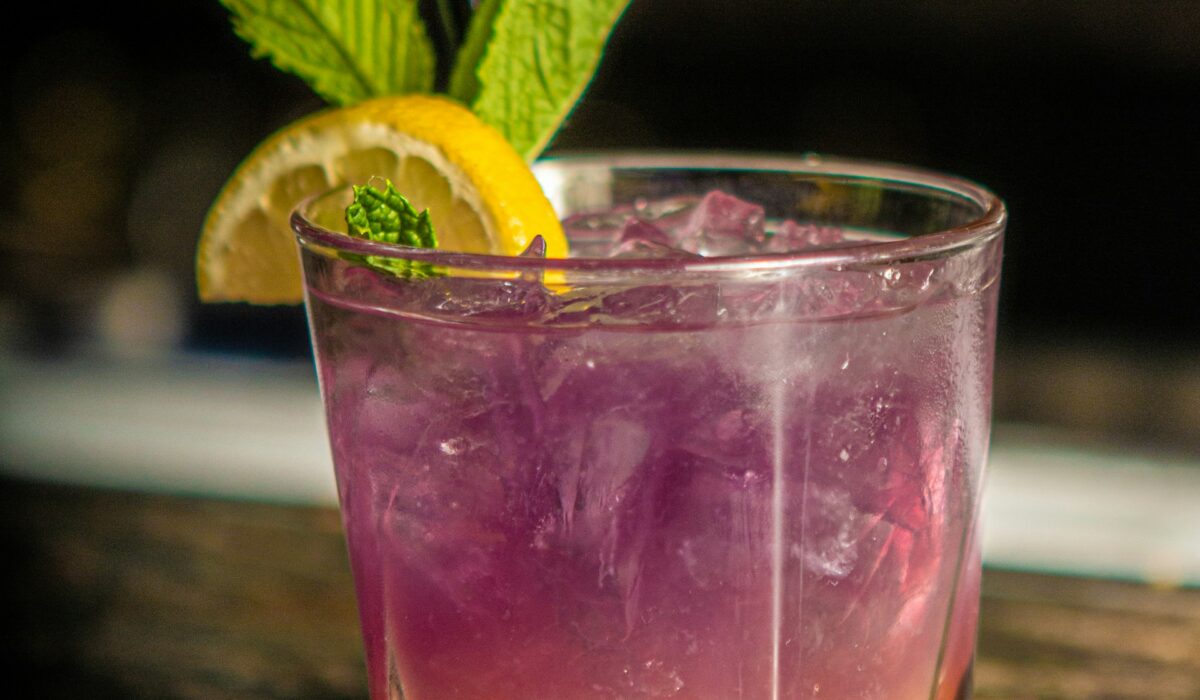
The best ginger bug recipe starts with just three ingredients: fresh ginger, cane sugar and water. Over a few days, wild yeasts and beneficial bacteria transform this simple mixture into a naturally fizzy starter that can carbonate everything from homemade ginger ale to fruit sodas—no commercial yeast required.
Unlike store-bought sodas, a ginger bug is packed with naturally occurring wild yeasts and beneficial bacteria. The result is a refreshing drink with a light fizz and a depth of flavor that’s hard to beat.
What Is a Ginger Bug?
A ginger bug is a fermented starter culture similar to a sourdough starter, except it’s used to carbonate beverages instead of baking applications. Wild yeasts living on fresh ginger feed on sugar and multiply, creating the natural carbonation needed for homemade sodas.
Once your starter is bubbling, you can use it to ferment fruit juices, sweet herbal teas, lemonade, ginger ale, and other naturally flavored drinks.
Ingredients
You’ll only need a few pantry staples:
- 1 cup filtered or dechlorinated water
- 1 teaspoon grated fresh ginger
- 1 teaspoon sugar
For daily feeding:
- 1 teaspoon grated ginger
- 1½ teaspoons sugar
Equipment You’ll Need
You don’t need any specialized brewing equipment.
- Small glass jar
- Clean kitchen towel or coffee filter
- Rubber band
- Silicone or rubber spatula
- Swing-top glass bottles for storing finished soda
Avoid using reactive metals like aluminum or copper, as they can react with acidic ferments and affect the flavor. Glass, ceramic, clay and food-grade plastic are all good choices.
How to Make the Best Ginger Bug Recipe
Step 1: Mix the Starter
Add the water, grated ginger, and sugar to a clean glass jar. Stir until the sugar dissolves.
Cover the jar with a clean towel secured with a rubber band. This keeps dust and insects out while allowing airflow.
Step 2: Keep It Warm
Place the jar somewhere warm, ideally between 75°F and 85°F.
If your kitchen is cool, wrap the jar with a towel for extra insulation. Avoid placing it in direct sunlight.
Step 3: Feed Daily
After 24 hours, add:
- 1 teaspoon grated ginger
- 1½ teaspoons sugar
Stir well.
Repeat this feeding every day for 3 to 7 days.
How Do You Know It’s Ready?
An active ginger bug should have:
- Tiny bubbles throughout the liquid
- A gentle fizz when stirred
- A fresh, yeasty aroma
- Small bubbles rising to the surface
Once it’s actively bubbling, stop feeding and use it to make soda.
Some kitchens take only three days, while cooler homes may need up to a week. Temperature has a big impact on fermentation speed.
Troubleshooting Common Problems
No Bubbles After Several Days
Cold temperatures are the most common reason a ginger bug stalls. Move it to a warmer location and continue feeding for another few days.
Using chlorinated water can also slow fermentation. If your tap water contains chlorine, boil it first and let it cool before using.
A Thin White Film Appears
A harmless white yeast called kahm yeast sometimes forms on top. It isn’t dangerous but can affect flavor.
Simply skim it off and continue feeding if everything still smells fresh.
It Smells Bad
Fermentation has its own unique aroma, but it should never smell rotten or putrid.
If your ginger bug develops an unpleasant odor, mold, or unusual colors like black, green, or pink, discard it and start over.
Foam or Scum Forms
A little foam during active fermentation is perfectly normal.
If a layer of scum develops, remove it with a clean non-reactive spoon before it has a chance to spoil the batch.
Tips for Success
A few simple habits can make a big difference.
- Use fresh ginger whenever possible.
- Keep temperatures as consistent as possible.
- Stir the starter once a day to distribute the yeasts.
- Wash your hands before handling the jar.
- Use clean utensils every time.
Many experienced home fermenters also recommend removing older pieces of ginger every week or two. Replacing them with freshly grated ginger helps keep flavors bright and prevents the starter from developing an off taste
Cleaning and Food Safety
Good sanitation goes a long way toward preventing failed batches.
Wash jars and utensils thoroughly with hot, soapy water, rinse well, and allow them to air dry before use. Keep raw foods away from your fermentation area to reduce the chance of contamination.
Fermentation naturally creates an acidic environment that discourages many harmful bacteria, but clean equipment is still essential.
How to Store a Ginger Bug
If you make homemade soda regularly, you can keep your ginger bug alive indefinitely.
For frequent use, leave it at room temperature and continue feeding it daily.
If you only brew occasionally, place the covered jar in the refrigerator. Feed it once a week with fresh ginger and sugar to keep the culture healthy.
When you’re ready to brew again, remove it from the refrigerator and feed it daily for one to three days until it becomes actively bubbly again.
How Long Does a Ginger Bug Last?
With proper care, a ginger bug can last for months or even years.
Many home fermenters maintain the same starter for a long time by feeding it consistently and replacing older ginger with fresh pieces as needed.
If the starter becomes sluggish, develops off flavors, or simply isn’t producing much carbonation anymore, it’s often easier to start a fresh batch.
Should You Make Small Batches?
For most people, yes.
A small ginger bug is easier to feed, takes up less refrigerator space, and is less wasteful if you don’t make soda every week.
If you brew frequently, simply keep your starter alive with regular feedings. If you only make homemade soda a few times a year, starting a fresh batch a week before you need it is often the simplest option.
Frequently Asked Questions
Can I use ground ginger?
Fresh ginger is strongly recommended. Ground ginger lacks the natural wild yeasts needed to start fermentation.
Can I use honey instead of sugar?
Regular cane sugar works best. Honey has natural antimicrobial properties that can slow or inhibit fermentation.
Can I use tap water with the best ginger bug recipe?
Yes, if it’s free of chlorine. Otherwise, boil it first and allow it to cool or use filtered water.
Why isn’t my ginger bug fizzy?
The most common causes are cold temperatures, chlorinated water, or not feeding the starter consistently. Give it a few more days in a warm location before starting over.
Final Thoughts
Making the best ginger bug recipe doesn’t require expensive equipment or years of experience. With just ginger, sugar, water, and a little patience, you can create a living starter that naturally carbonates homemade sodas.
Once you get the hang of it, you’ll always have a simple way to make refreshing fizzy drinks right in your own kitchen.