Choosing the most suitable types of food containers for storing leftovers matters more than most people realize. Glass, stainless steel, silicone, and mason jars each have their strengths, but the best choice depends entirely on what you’re storing.
Soup needs something different than salad. Freezer meals require different materials than tomorrow’s packed lunch. Choosing poorly means contaminated food, leaked dressings, and containers that smell like last week’s curry no matter how many times you wash them.
No Single Container Does It All
Most experienced home cooks don’t rely on one type of container and neither should you. They build a small collection because each material has distinct strengths and satisfies a particular storage need.
Here’s a quick comparison of some of the common food storage containers.
| Container | Best For | Why It Works |
|---|---|---|
| Glass | Leftovers, casseroles, soups | Doesn’t stain, absorb odors, or react with food. |
| Stainless Steel | Lunches, sandwiches, camping | Lightweight, nearly indestructible, long-lasting. |
| BPA-Free Plastic | Everyday storage and transport | Affordable and easy to carry. |
| Silicone | Freezer meals and snacks | Flexible and space-saving. |
| Mason Jars | Soups, sauces, salads, dry goods | Airtight and excellent for liquids. |
Types of Food Containers: Glass Remains the Gold Standard
Talk to anyone who cooks regularly, and one recommendation comes up repeatedly: glass.
Glass doesn’t hold onto yesterday’s curry smell. It won’t turn permanently orange after storing tomato sauce. You can see exactly what’s inside without lifting the lid, which means fewer forgotten leftovers.
This transparency alone helps reduce food waste — you’re more likely to eat what you can see.
Glass containers are suitable for storing:
- Cooked meals
- Pasta dishes
- Rice
- Soups and stews
- Meal prep
- Marinated foods
The only real drawbacks are weight and the fragile nature of glass. Carrying several glass containers in a lunch bag gets cumbersome fast.
Plastic Still Has Its Place
Plastic types of food containers often get a bad reputation, but they’re not all bad.
They’re lightweight, inexpensive, and won’t shatter when dropped. That makes them practical for school lunches, picnics or sending guests home with leftovers.
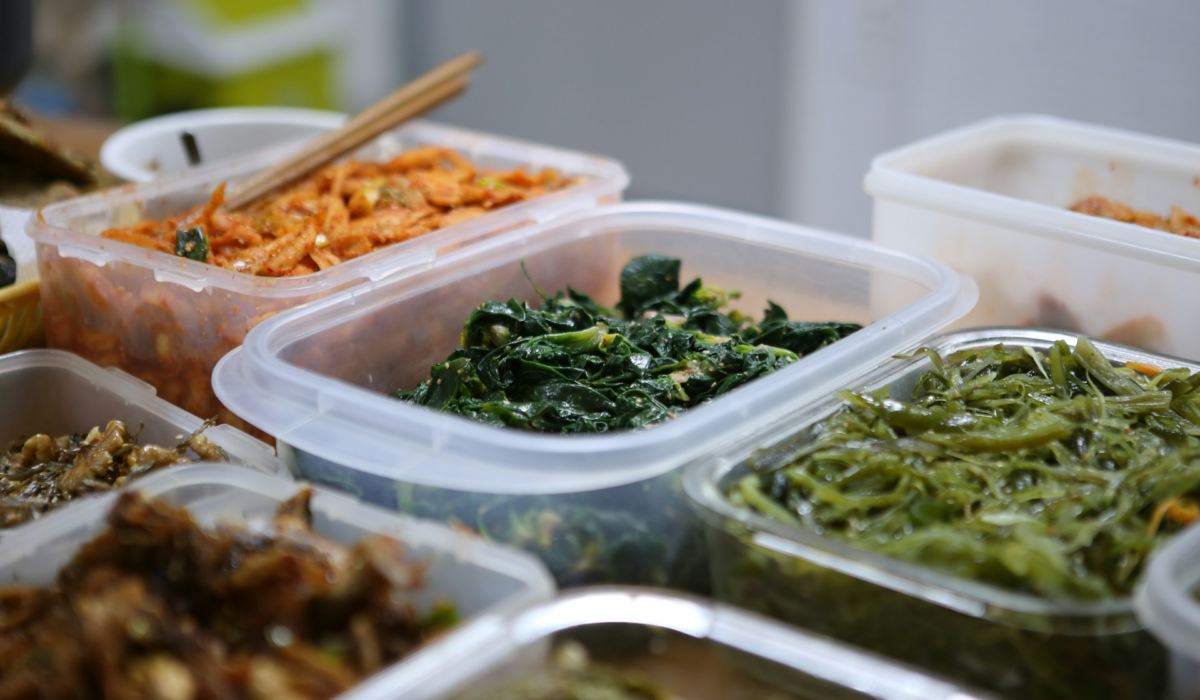
The real problem is longevity. Plastic scratches over time, and those scratches trap food residue. Strongly colored foods — curry, beetroot, tomato sauce — leave permanent stains.
If you buy plastic, choose BPA-free containers with sturdy, replaceable lids. Replace them once they show wear.
Stainless Steel Is Nearly Indestructible
If durability matters more than convenience, stainless steel is hard to beat.
It won’t crack, stain, or absorb odors, even after years of daily use. Campers and outdoor enthusiasts prefer it because it survives rough handling that would destroy glass.
The trade-off is simple: you can’t microwave it.
Silicone is Great When Space is Tight
Kitchen cabinets fill up fast.
That’s why collapsible silicone containers have become so popular. When empty, they fold almost flat, freeing up valuable storage space.
They’re especially useful for:
- Frozen leftovers
- Fresh fruit
- Snacks
- Sandwiches
- Meal prep on the go
For long-term storage of oily or acidic foods, though, glass remains the better choice.
Mason Jars Do More Than Canning
Mason jars are mostly associated with home canning, but they’re surprisingly useful for everyday leftovers too.
They work perfectly for soups, homemade stocks, overnight oats, smoothies, salad dressings, and dry pantry staples. The airtight seal keeps food fresh longer.
If you’re freezing liquids, leave an inch or two of space at the top. Liquids expand as they freeze and will explode if you don’t leave an allowance.
One Habit Outperforms Any Container
Ask anyone who cooks and regularly stores food, and they’ll tell you the same thing: don’t put a whole pot of leftovers in one giant container.
Divide food into meal-sized portions before refrigerating.
Smaller portions cool faster, which improves food safety. They reheat more evenly. Plus, you only open what you plan to eat, instead of exposing the entire batch to room temperature every time.
This simple habit often matters more than the types of food containers you choose.
Features Worth Paying For
When shopping for different types of food containers, ignore fancy marketing and focus on features you’ll actually use:
- Airtight, leak-proof lids
- Stackable design
- Dishwasher-safe materials
- Freezer-safe construction
- Microwave-safe (if needed)
- Easy-to-clean corners
- Matching, replaceable lids
A Few Habits That Keep Leftovers Fresher
The container you choose is only part of the equation. A few simple habits can make an even bigger difference in how long your leftovers stay fresh.
For starters, don’t rush piping hot food straight into the refrigerator. Let it cool for a few minutes before sealing the lid. This helps reduce condensation inside the container, so your leftovers don’t end up watery the next day.
If your refrigerator has a habit of hiding forgotten meals, get into the habit of dating your leftovers. It only takes a moment, but you’ll never have to wonder whether that pasta is from Monday or last week.
It’s also worth freezing anything you know you won’t eat within the next three or four days. You’ll waste far less food, and you’ll always have a ready-made meal waiting for a busy evening.
One trick many organized home cooks swear by is making leftovers impossible to ignore. Clear containers—or even a simple label on the lid—make it easy to spot what needs eating first before it disappears into the back of the fridge..
The Bottom Line
The best types of food containers aren’t the most expensive ones. They’re the ones that match how you actually cook and store food.
Glass remains the top all-around choice — durable, non-reactive, and easy to clean. Pair it with a few stainless steel lunch containers, some freezer-friendly silicone, and a handful of mason jars.
You’ll have a storage system that keeps leftovers fresh, reduces waste, and serves you well for years.