Fresh figs have one of the shortest shelf lives of any common fruit, often lasting just a few days once fully ripe. Finding the best way to preserve fresh figs means you can enjoy their delicate sweetness long after the harvest is over instead of watching them spoil on the kitchen counter.
The challenge is that fresh figs are one of the most delicate fruits you’ll bring home. They bruise easily, spoil quickly, and can go from perfectly ripe to overripe in just a couple of days, making timely preservation the key to wasting less and enjoying more.
Why Fresh Figs Don’t Last Long
Unlike apples or citrus fruits that can sit happily on the counter for days, fresh figs begin deteriorating almost as soon as they’re picked. Their paper-thin skin offers very little protection, while the soft flesh is packed with natural sugars and moisture that make the fruit incredibly delicate.
Ripening also continues after harvest. A fig that feels just right in the morning can become overly soft by the following day, especially during warm weather. Tiny splits in the skin allow moisture to escape and microorganisms to enter, speeding up spoilage even further.
Refrigeration helps slow the process, but only by a few days. If you have more figs than you can realistically eat, preserving them while they’re still at their peak is the best way to enjoy their flavor long after the season ends.
What Is the Best Way to Preserve Fresh Figs?
There’s no single answer because every preservation method serves a different purpose.
If you want figs that are ready for smoothies, cakes, or homemade sauces, freezing is hard to beat. If pantry storage is your goal, drying or making preserves offers a much longer shelf life.
Some people even preserve whole figs in honey or a light syrup, creating a dessert that’s ready to serve straight from the jar.
Instead of asking which method is objectively best, it’s more useful to ask which one best suits your kitchen and the recipes you enjoy most.
Freezing Fresh Figs for Everyday Use
Freezing comes closer than almost any other method to preserving the fresh character of ripe figs.
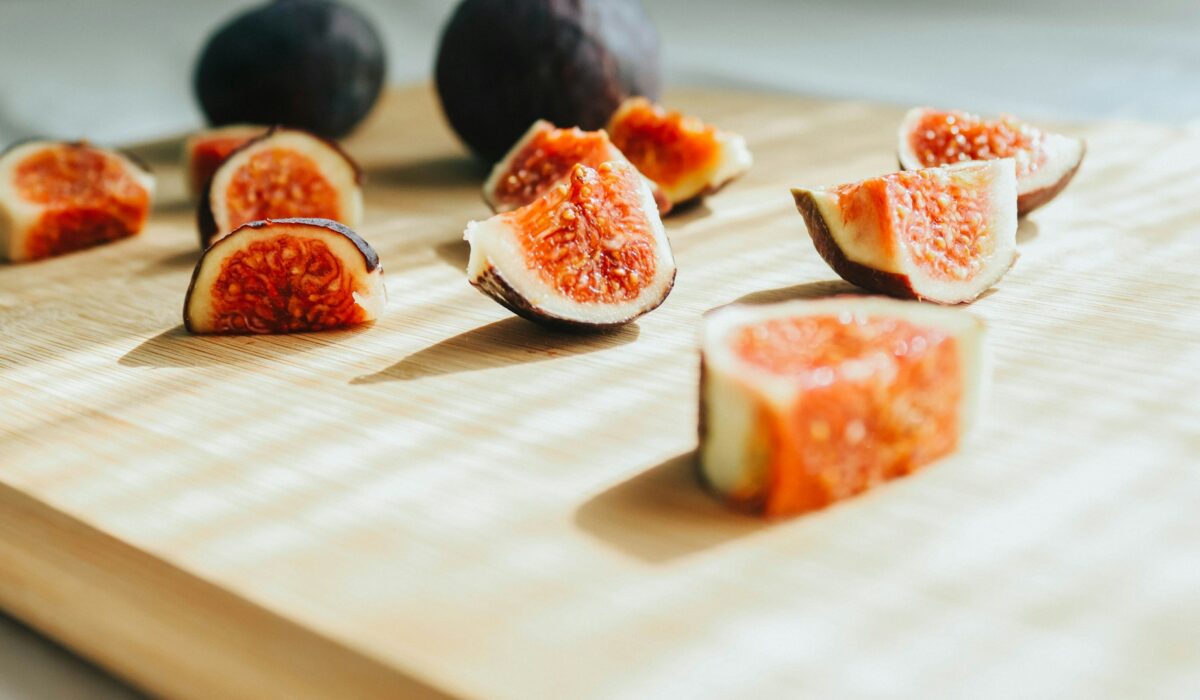
After washing and gently drying them, the figs can be left whole, halved, or sliced depending on how they’ll be used. Placing them on a tray in a single layer before transferring them to freezer bags prevents them from freezing into one large block, making it much easier to remove only what you need.
Frozen figs become softer once thawed, so they may not have the same texture as freshly picked fruit. That isn’t a disadvantage in recipes where they’re blended into smoothies, baked into cakes, stirred into oatmeal, or simmered into sauces.
For many households, freezing offers the simplest balance between convenience and preserving flavor.
Drying Figs for Long-Term Storage
Drying transforms fresh figs into something completely different.
As moisture slowly leaves the fruit, the natural sugars become more concentrated, producing the rich sweetness associated with dried figs. The texture changes from soft and juicy to pleasantly chewy, making them ideal for snacking, baking, or adding to homemade granola and trail mixes.
A food dehydrator provides the most consistent results, although an oven set to a very low temperature can also work. In hot, dry climates, traditional sun drying remains an option, provided the fruit is protected from insects and unexpected rain.
Properly dried figs also take up far less storage space than frozen fruit and can last for months when kept in airtight containers in a cool, dry place.
Turning Fresh Figs Into Jam or Preserves
If you’re looking for something that captures the flavor of peak fig season, homemade preserves are difficult to beat.
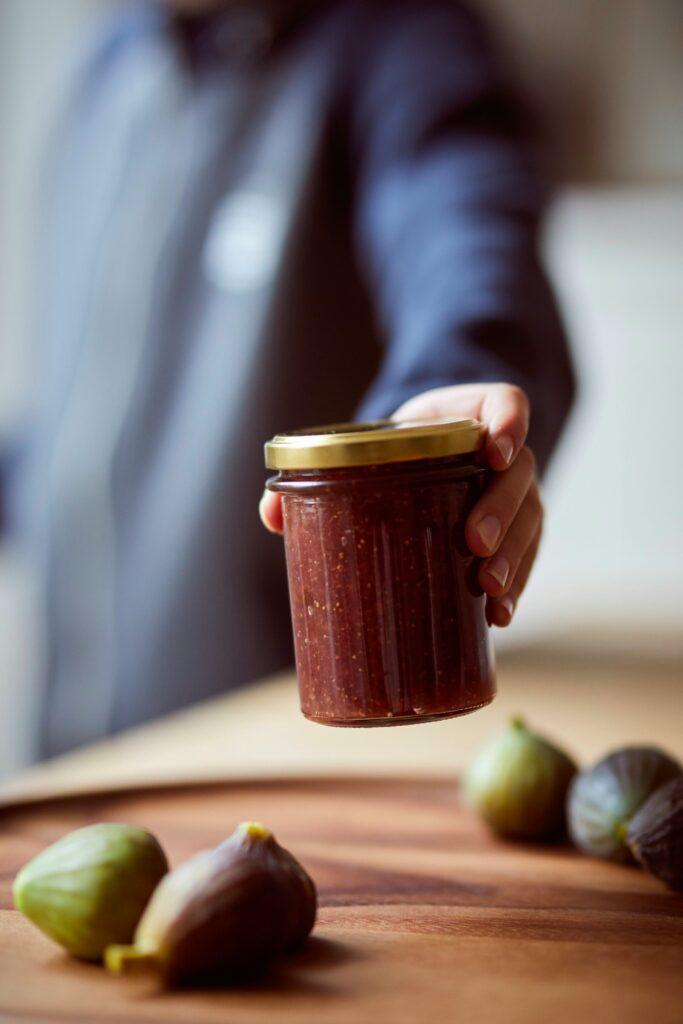
Cooking figs with sugar and a little lemon juice creates a spread that works just as well on morning toast as it does alongside cheeses, roasted meats, or desserts. The cooking process softens the fruit while concentrating its naturally floral, honey-like flavor into every spoonful.
Making jam is also an excellent option for fruit that’s slightly softer than you’d normally eat fresh but still perfectly wholesome. Instead of letting those ripe figs go to waste, they become a pantry staple that can be enjoyed throughout the year.
For many families, homemade fig preserves are as much about preserving memories of the harvest as preserving the fruit itself.
Preserving Figs in Honey or Light Syrup
Long before freezers became common, people relied on honey and syrup to extend the life of seasonal fruit.
Whole or halved figs preserved in honey develop an even deeper sweetness over time while absorbing subtle floral notes from the honey itself. A light sugar syrup creates a milder alternative that allows more of the fig’s natural flavor to shine through.
These preserved figs make an elegant addition to cheeseboards, yogurt, pancakes, ice cream, or simple desserts where the fruit can take center stage.
Unlike dried figs, this method keeps much of the fruit’s original softness, creating a luxurious texture that’s difficult to achieve any other way.
Choosing the Best Way to Preserve Fresh Figs for Your Needs
With so many options available, the decision often comes down to how you expect to use the fruit.
If convenience matters most, freezing offers quick preparation and works well for baking and smoothies. Drying is ideal when storage space is limited or when you enjoy naturally sweet snacks that don’t require refrigeration.
Jam and preserves are perfect if you like spreading figs on bread, serving them with cheese, or giving homemade gifts. Preserving figs in honey or syrup creates a ready-made dessert that feels a little more special without requiring complicated preparation.
How to Tell Whether Fresh Figs Are Worth Preserving
The quality of the finished product depends entirely on the quality of the fruit you begin with.
Good figs should feel soft but not collapsed, smell pleasantly sweet, and have smooth skin with only minor natural splitting. Small cosmetic blemishes rarely affect the flavor and usually aren’t a reason to discard otherwise healthy fruit.
Figs that have become sour, moldy, or excessively fermented should never be preserved. Likewise, fruit that’s leaking liquid or has developed an unpleasant smell is already past its best.
A simple rule is to preserve figs while you’d still be happy eating them fresh. Preservation can extend freshness, but it can’t improve fruit that’s already spoiled.
The Bottom Line
The best way to preserve fresh figs depends on how you plan to enjoy them after the harvest. Freezing keeps their fresh flavor close at hand for baking and smoothies. Drying concentrates their natural sweetness for long-term storage, while jams, preserves, and honey-packed figs turn a short season into something you can enjoy for months.
Fresh figs may be delicate, but they’re also remarkably rewarding to preserve. With a little planning and the right method, you can make the most of every ripe fig instead of racing against the clock to eat them all before they’re gone.