If there is one way of eating that has stood up to decades of scientific scrutiny, it is this one. What is included in the Mediterranean diet is not a complicated formula — it is a pattern of eating built around whole, minimally processed foods that have nourished some of the world’s longest-living populations for generations.
It has been ranked the number one overall diet by U.S. News and World Report for several consecutive years. More importantly, it is practical, flexible, and genuinely enjoyable to follow.
More Than Just Another Diet
The Mediterranean diet is not a set of rigid rules. It is a framework rooted in the traditional food culture of countries bordering the Mediterranean Sea — particularly Greece, southern Italy, and Spain.
Researchers first took notice in the 1960s when populations in these regions showed remarkably low rates of heart disease and longer-than-average life expectancy. The food they were eating turned out to be a significant reason why.
What Is Included in the Mediterranean Diet — The Core Foods
1. Plant Foods Come First
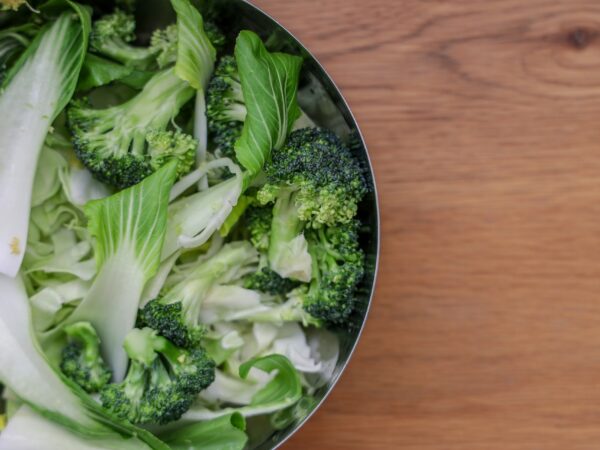
Vegetables, fruits, legumes, whole grains, nuts, and seeds form the foundation of every meal. These foods provide fibre, antioxidants, and phytochemicals that actively support digestive and cardiovascular health.
Aim to fill at least half your plate with vegetables at every meal. Variety matters — rotating through different colours and types ensures a broad range of nutrients.
2. Olive Oil as the Primary Fat
Extra virgin olive oil is the defining ingredient of Mediterranean eating. It replaces butter, margarine, and seed oils as the fat of choice for cooking, dressing, and finishing dishes.
It contains oleocanthal, a compound with anti-inflammatory properties comparable to low-dose ibuprofen. Used consistently, it is one of the most well-researched contributors to the diet’s health benefits.
3. Fish and Seafood — Twice a Week Minimum
Fatty fish — salmon, sardines, mackerel, tuna, and anchovies — are among the richest dietary sources of omega-3 fatty acids. Omega-3s reduce inflammation, support brain health, and protect cardiovascular function.
The Mediterranean approach recommends at least two servings of fish or seafood per week. Shellfish, mussels, and shrimp count and bring their own mineral benefits alongside protein.
4. Legumes — the Quiet Powerhouses
Chickpeas, lentils, cannellini beans, fava beans, and kidney beans appear in Mediterranean cooking several times a week. They provide plant-based protein, soluble fibre, and a slow-burning energy source that keeps blood sugar stable.
A bowl of lentil soup or a chickpea salad satisfies in the way that processed foods rarely manage. They are among the most nutrient-dense, affordable staples available.
5. Whole Grains Over Refined
Whole grain bread, brown rice, oats, quinoa, barley, and whole grain pasta replace their refined counterparts. The fibre and B vitamins intact in whole grains support gut health and sustained energy.
The Mediterranean approach does not eliminate carbohydrates — it chooses them carefully. A slice of good sourdough with olive oil is very much part of the picture.
6. Nuts and Seeds Daily
A small handful of walnuts, almonds, pistachios, or hazelnuts every day provides healthy fats, protein, and magnesium. Seeds — flax, chia, sunflower, sesame — contribute additional fibre and micronutrients.
They work particularly well as a snack, stirred into yogurt, or scattered over salads and grain bowls.
7. Fresh Herbs and Spices — the Flavour Engine
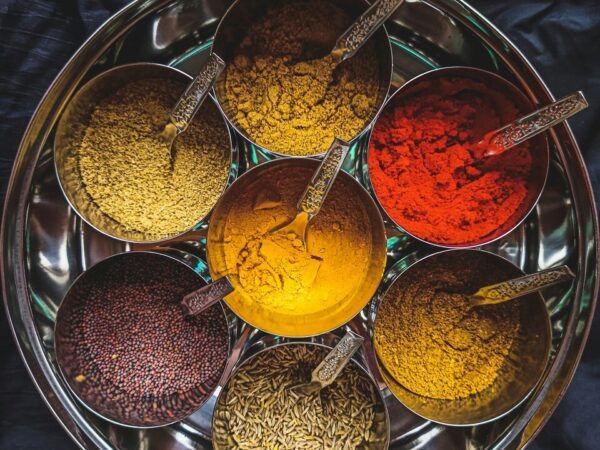
Oregano, basil, rosemary, thyme, parsley, garlic, and turmeric carry the flavour profile of Mediterranean cooking. They also carry meaningful anti-inflammatory and antioxidant compounds.
Building meals around fresh herbs reduces reliance on salt and processed seasonings. The flavour payoff is significant — and so is the nutritional one.
Animal Proteins — in Moderation
8. Poultry and Eggs
Chicken, turkey, duck, and eggs appear in Mediterranean meals several times a week. They contribute lean protein and essential nutrients without the saturated fat load of red meat.
Eggs in particular are a versatile staple — poached over a grain bowl, baked into a vegetable frittata, or soft-boiled alongside a simple salad.
9. Dairy — Small Amounts, High Quality
Greek yogurt, feta, halloumi, and aged cheeses like parmesan feature regularly, but in small portions. Full-fat Greek yogurt provides protein and beneficial bacteria for gut health.
Dairy is an accompaniment in Mediterranean eating rather than a centrepiece. A dollop of yogurt, a crumble of feta — enough to enhance a dish, not dominate it.
10. Red Meat
Red meat is not excluded from the Mediterranean diet. It simply appears less frequently — a few times a month rather than multiple times a week.
When it does appear, it tends to be in smaller portions, often as part of a larger dish rather than as the main feature.
What Is Included in the Mediterranean Diet — the Lifestyle Elements
Food is only part of the picture. The populations that inspired the Mediterranean diet also shared certain eating habits that contributed to their health outcomes.
Meals are eaten slowly and with attention. Eating with family or friends is the norm rather than the exception. Cooking from whole ingredients is a regular part of daily life rather than a weekend activity.
These habits support digestion, reduce overeating, and connect food to genuine pleasure — all of which the research suggests play a meaningful role in the diet’s long-term benefits.
A Sample Day of Mediterranean Eating
Breakfast — Greek yogurt with fresh berries, a drizzle of honey, and a handful of walnuts. A slice of whole grain toast with olive oil.
Lunch — A large salad of mixed greens, cherry tomatoes, cucumber, chickpeas, and feta, dressed with extra virgin olive oil and lemon.
Snack — A small handful of almonds and a piece of seasonal fruit.
Dinner — Baked salmon with roasted vegetables and a side of brown rice or quinoa. Finished with a drizzle of olive oil and fresh herbs.
No calorie counting. No elimination. Just whole, recognisable food at every meal.
Building The Mediterranean Diet Into Your Kitchen
The Mediterranean diet works best when it becomes a rhythm rather than a project. Starting with a well-stocked pantry makes that easier.
Staples worth keeping on hand: extra virgin olive oil, a variety of canned and dried legumes, whole grains, tinned fish, nuts, dried herbs, garlic, and good quality vinegar. With these in your kitchen, a Mediterranean-style meal is almost always within reach.
Fresh produce and seasonal vegetables fill in the rest. The simplicity is intentional — and it is a large part of why this way of eating has lasted as long as it has.
What is included in the Mediterranean diet is, at its core, an abundance of plants, good fats, quality protein, and whole grains — eaten slowly, cooked simply, and shared where possible.