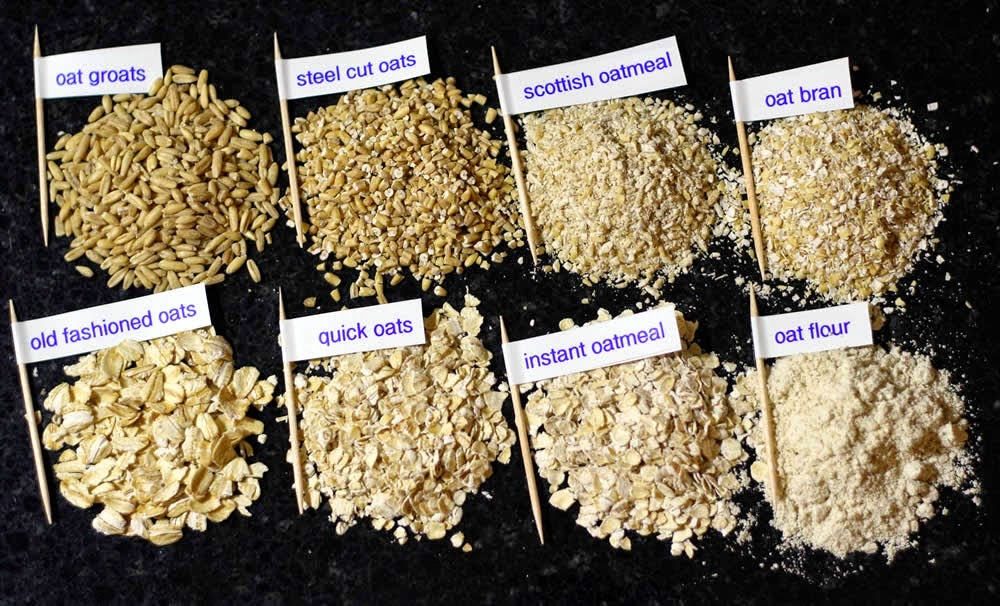
The difference between jumbo oats and porridge oats comes down to how the oats are processed after harvest. While both start as whole oat groats, jumbo oats are rolled into larger, thicker flakes that hold their shape during cooking, whereas porridge oats are rolled thinner or cut into smaller pieces, allowing them to cook faster into a smoother, creamier bowl of porridge.
If you’ve ever tried following a recipe from another country, you’ve probably run into this problem. One recipe calls for jumbo oats, another asks for porridge oats, and your supermarket only sells rolled oats. It’s no wonder so many people aren’t sure which product they actually need.
In the UK, you’ll often find both “jumbo oats” and “porridge oats” sold as separate products. In the US, however, jumbo oats are usually sold as old-fashioned rolled oats, while porridge oats are often closer to quick oats or smaller rolled oats depending on the brand.
Difference Between Jumbo Oats and Porridge Oats at a Glance
| Feature | Jumbo Oats | Porridge Oats |
|---|---|---|
| Size | Large, thick flakes | Smaller or thinner flakes |
| Texture | Chewy and hearty | Soft and creamy |
| Cooking Time | 8–10 minutes | 2–5 minutes |
| Best For | Granola, flapjacks, muesli, cookies | Creamy porridge, overnight oats |
| Common US Equivalent | Old-fashioned rolled oats | Quick oats or smaller rolled oats |
What Are Jumbo Oats?
Jumbo oats are whole oat grains that have been steamed and rolled into thick flakes. Because they’re less flattened, they absorb liquid more slowly and keep their structure after cooking.
In many countries, jumbo oats are the same as old-fashioned rolled oats, although the thickness can vary slightly between brands.
They’re an excellent choice for recipes where texture matters, including:
- Homemade granola
- Flapjacks
- Muesli
- Oat cookies
- Fruit crumbles
- Traditional porridge with a hearty bite
Many bakers prefer jumbo oats because they don’t disappear into the mixture during baking, giving cookies and bars a satisfying chew.
What Are Porridge Oats?
Porridge oats are processed to cook more quickly. They’re usually rolled thinner or cut into smaller pieces, allowing them to absorb water faster and achieve a smoother consistency.
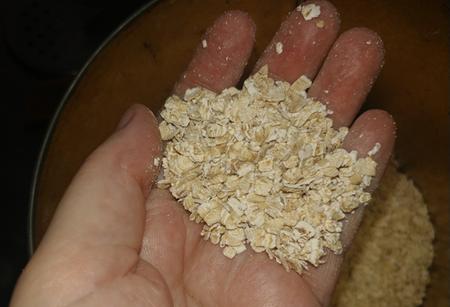
Porridge oats are ideal for:
- Creamy breakfast porridge
- Overnight oats
- Baked oatmeal
- Smooth oat-based recipes
If you prefer silky oatmeal rather than a chewy texture, porridge oats are usually the better option.
Jumbo Oats vs Porridge Oats: The Biggest Difference Is Texture
Although both products come from the same oat grain, the thickness of the flakes changes how they cook.
Jumbo oats remain largely intact after cooking, giving each spoonful a pleasant bite. Porridge oats soften much faster, creating the creamy consistency many people expect from a bowl of oatmeal.
This difference is even more noticeable in baking. Jumbo oats add structure and crunch, while porridge oats blend into the batter, producing softer cookies, bars, and baked oats.
Can You Substitute Jumbo Oats for Porridge Oats?
Yes—but expect the finished texture to be different.
If you’re wondering, can you substitute jumbo oats for porridge oats, the quick answer is yes for most recipes. However, jumbo oats take longer to soften and create a chewier texture.
Likewise, using porridge oats instead of jumbo oats will produce a softer result because the smaller flakes absorb liquid more quickly.
For everyday porridge, the substitution isn’t a major issue. For flapjacks, granola, oat biscuits, and similar baked recipes, using the type specified in the recipe usually produces the best texture.
Why Recipes From Different Countries Can Be Confusing
One of the biggest sources of confusion is regional terminology. The same product may be sold under different names depending on where you shop.
For example:
- United Kingdom: Jumbo oats and porridge oats are commonly sold as separate products.
- United States: Jumbo oats are typically labeled old-fashioned rolled oats.
- Australia and New Zealand: Product names vary between brands, making it more useful to compare the size of the flakes than the name on the package.
This is why an American recipe might call for old-fashioned oats, while a British recipe asks for jumbo oats—even though they’re often referring to the same ingredient.
Which Oats Are Better?
Neither is better—they simply serve different purposes.
Choose jumbo oats if you want:
- Chewier porridge
- Crunchier granola
- Better texture in cookies
- Traditional flapjacks
- Muesli
Choose porridge oats if you prefer:
- Smooth, creamy oatmeal
- Faster cooking
- Softer baked oats
- Creamier overnight oats
Do They Have Different Nutritional Values?
Not really.
Since both products start as whole grains, their nutritional value is almost identical. Both provide dietary fiber, complex carbohydrates, plant protein, vitamins, and minerals.
The main difference lies in processing, texture, and cooking time—not in their nutritional benefits.
Frequently Asked Questions
Are jumbo oats the same as porridge oats?
Not exactly. Both come from the same oat groat, but jumbo oats are rolled into larger, thicker flakes, while porridge oats are rolled thinner or cut smaller so they cook more quickly and produce a creamier texture.
Are jumbo oats the same as rolled oats?
Usually, yes. In many countries, jumbo oats are simply thicker old-fashioned rolled oats, although the exact size varies by manufacturer.
Can I use jumbo oats to make porridge?
Absolutely. Jumbo oats make excellent porridge, but they’ll take a few extra minutes to cook and produce a heartier, chewier bowl.
Are porridge oats the same as quick oats?
Sometimes, but not always. Some manufacturers label thinner rolled oats as porridge oats, while others use a coarser grind. Comparing the size of the oat flakes is often more helpful than relying on the product name.
Which oats are best for overnight oats?
Both work well. Jumbo oats create more texture, while porridge oats absorb liquid faster for a softer, creamier consistency.
Final Thoughts
The difference between jumbo oats and porridge oats isn’t about the type of oat—it’s about how the oat is processed. Jumbo oats are thicker, heartier, and retain their shape during cooking, while porridge oats cook more quickly into a smooth, creamy consistency.
Whether you’re making porridge, baking flapjacks, or preparing overnight oats, choosing the right oat comes down to the texture you want. Once you understand the different type of oats, you’ll be able to confidently substitute them and pick the best oats for every recipe.