I still find it remarkable how our gut and brain are always in constant communication through what scientists call the gut-brain axis. This is a two-way communication highway linking your central nervous system to your digestive system. About 95% of your body’s serotonin is produced in the gut, not the brain. So when your mind is in chaos, your stomach is the first to know. The best foods for a nervous stomach don’t just soothe symptoms — some of them help regulate the very system that’s causing the problem.
Why Your Stomach Reacts To Stress In The First Place
When you’re stressed or anxious, your body releases cortisol and adrenaline. These hormones shift your body into fight-or-flight mode, which is great if you’re running from something. Not so great when you’re just trying to get through Monday.
In fight-or-flight, digestion is deprioritised. Blood flow shifts away from your gut, digestive enzymes slow down, and the muscles in your intestines can either speed up dramatically (hello, urgent bathroom trips) or grind to a halt (hello, constipation and bloating).
The result is what most people call a nervous stomach — nausea, cramping, loose stools, or that uncomfortable, tight feeling that won’t shift.
Food choices during these moments can either calm the system down or make it significantly worse.
The Best Foods For A Nervous Stomach
1. Bananas — The Original Comfort Food
Bananas are one of the gentlest foods you can eat when your stomach is unsettled. They’re easy to digest, high in potassium (which you can lose during stress-induced diarrhea), and contain pectin — a soluble fibre that helps regulate bowel movement. They’re handed out at marathon finish lines for good reason. When everything else sounds unappealing, a banana usually isn’t.
2. Plain Oats
Oatmeal might not be the most exciting option, but it’s one of the most effective. The beta-glucan fibre in oats slows digestion, helps stabilise blood sugar, and feeds the beneficial bacteria in your gut. Crucially, it’s bland enough not to aggravate an already irritated digestive system. A warm bowl in the morning before a stressful day is a genuinely useful ritual, not just comfort eating.
3. Ginger — In Any Form You Can Get It
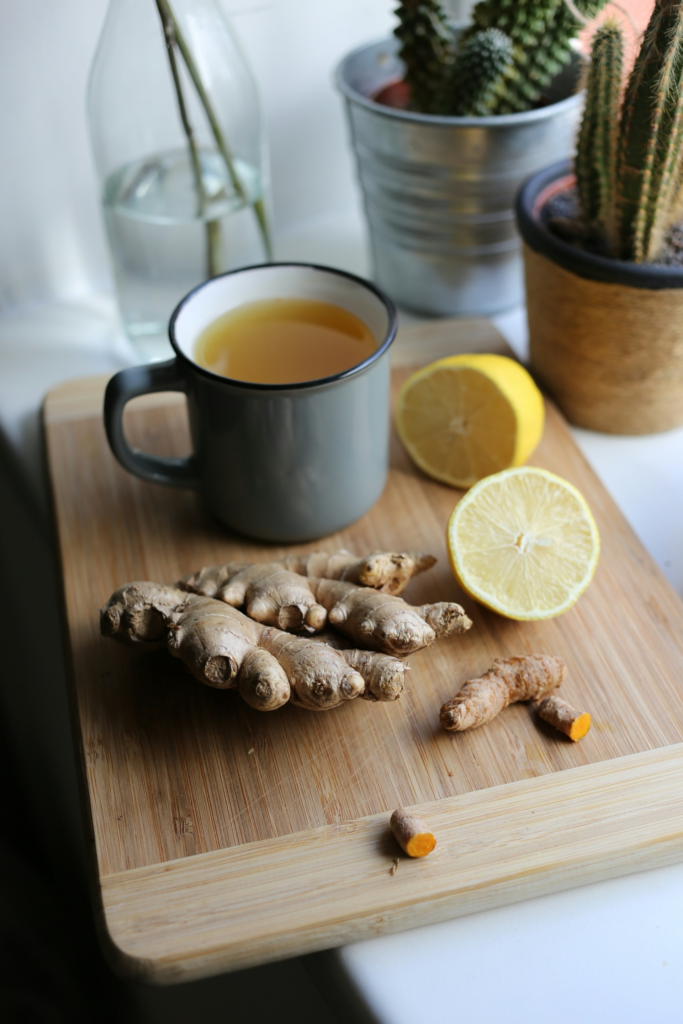
Ginger has been used for thousands of years to treat nausea, indigestion, and bloating — and research consistently backs this up. It works by speeding up stomach emptying and encouraging movement in the gut, which is exactly what you need when stress has slowed everything down. Ginger tea is the easiest option, but fresh ginger grated into warm water with lemon works just as well. If you’re really struggling, even ginger chews can help take the edge off.
4. Plain Yogurt With Live Cultures
Your gut microbiome — the community of bacteria living in your digestive tract — is deeply affected by stress. Chronic anxiety can disrupt the balance of good and bad bacteria, which in turn affects both digestion and mood. Yogurt with live and active cultures (look for “Lactobacillus” or “Bifidobacterium” on the label) helps replenish the good stuff. One study found that people who regularly consumed fermented dairy products reported lower social anxiety. It’s a small thing, but consistent.
If plain yogurt feels too sharp when your stomach is already unhappy, try mixing it with a ripe banana and a little honey. It’s one of the best foods for a nervous stomach and genuinely tastes good at the same time.
5. Chamomile Tea
Chamomile isn’t just for helping you sleep. It contains anti-inflammatory and antispasmodic compounds that relax the muscles lining the intestines, reduce gastric acidity, and ease gas and bloating. It’s a particularly good choice when your nervous stomach is showing up as cramping or that wound-tight feeling in your abdomen. Sip it slowly — the act of slowing down to drink something warm is part of why it helps.
6. White Rice Or Plain Boiled Potatoes
When your digestive system is in full revolt, starchy, low-fibre foods are your friend. White rice, plain boiled potatoes, or lightly toasted bread don’t require much digestive effort and help firm things up if stress has sent you running to the bathroom. These aren’t nutritional powerhouses, but they’re not supposed to be in that moment. The goal is to give your gut something easy to process while everything else settles down.
7. Peppermint Tea
Peppermint contains menthol and methyl salicylate — compounds that have a genuine antispasmodic effect on the gastrointestinal tract. This means they physically relax the muscles in your gut, reducing cramping, bloating, and trapped gas. A cup of peppermint tea after a stressful meal is one of the simplest and most effective things you can do for a nervous stomach. Worth keeping in the house at all times.
8. Fermented Foods — Kefir, Sauerkraut, Miso
Beyond yogurt, other fermented foods are worth working into your diet if you deal with a nervous stomach regularly. Kefir (fermented milk) contains a particularly high diversity of probiotic strains. Sauerkraut and kimchi support gut bacteria and have been linked to reduced anxiety symptoms. Miso — especially unpasteurised — is another good option. These are long-game foods rather than instant fixes, but their effect on the gut-brain axis over time is real.
9. Fatty Fish — Salmon, Sardines, Mackerel
Omega-3 fatty acids found in fatty fish reduce inflammation in both the gut and the brain. Chronic stress drives inflammation, and omega-3s are one of the most evidence-backed ways to counter it. Aim for two servings a week — grilled or pan-fried simply, without heavy sauces or seasoning that might irritate a sensitive stomach
10. Magnesium-Rich Foods — Avocado, Spinach, Nuts
Magnesium is often called the “relaxation mineral” and with good reason. It plays a direct role in regulating the nervous system and reducing cortisol levels. Low magnesium is common in people who deal with chronic stress or anxiety, and the deficiency itself can worsen both. Foods like avocado, spinach, pumpkin seeds, and almonds are good everyday sources. The fact that they also support gut health is a bonus.
What To Avoid When Your Stomach Is Nervous
Just as important as what you eat is what you hold back on. Caffeine is the big one — it increases stomach acid production, speeds up gut motility, and can amplify anxiety symptoms. If coffee is your morning anchor, try halving the amount or switching to green tea, which contains L-theanine alongside caffeine for a calmer kind of alertness.
Alcohol tends to feel like it helps in the moment but disrupts serotonin levels and gut bacteria within hours. Spicy and fried foods, carbonated drinks, artificial sweeteners, and refined sugar all aggravate an already sensitised gut. On a genuinely bad day, these are worth skipping.
An Example Of How To Eat When Feeling Anxious
Start the morning with warm oats or a banana rather than coffee on an empty stomach. Keep ginger tea or peppermint tea within reach. If you can eat a proper meal, go for something protein-based and easy to digest — scrambled eggs, grilled fish with plain rice, or a simple yogurt bowl.
The best foods for a nervous stomach aren’t exotic or expensive. Most of them are already in your kitchen. The difference is remembering to reach for them when your gut starts acting up.